Mastering Online Learning: Essential Skills for US Students 2026

Mastering online learning in the 2026 academic year requires US students to cultivate essential digital literacy, self-discipline, and effective communication strategies for academic success.
Mastering online learning: essential skills for US students in the 2026 academic year is more crucial than ever. As educational landscapes continue to evolve, understanding and implementing practical solutions for virtual success is paramount for students across the United States. This guide offers time-sensitive strategies to navigate the complexities of digital education effectively.
Embracing digital literacy and technological fluency
In the 2026 academic year, digital literacy transcends basic computer skills; it encompasses a nuanced understanding of various online platforms, tools, and digital etiquette. For US students, this means not just knowing how to use software, but how to leverage it for optimal learning outcomes and collaboration.
Developing technological fluency is foundational. Students must be adept at troubleshooting common technical issues, managing digital files efficiently, and navigating learning management systems (LMS) with ease. This proactive approach minimizes disruptions and maximizes study time.
Navigating learning management systems
Learning Management Systems like Canvas, Blackboard, or Moodle are the virtual classrooms of today. Proficiency in these platforms is non-negotiable for online learners. Students should familiarize themselves with:
- Submitting assignments correctly and on time.
- Participating in discussion forums effectively.
- Accessing course materials and announcements.
- Utilizing built-in communication tools for instructor and peer interaction.
Utilizing productivity and collaboration tools
Beyond the LMS, a suite of digital tools can significantly enhance the online learning experience. From cloud storage to virtual whiteboards, these resources facilitate organization and teamwork.
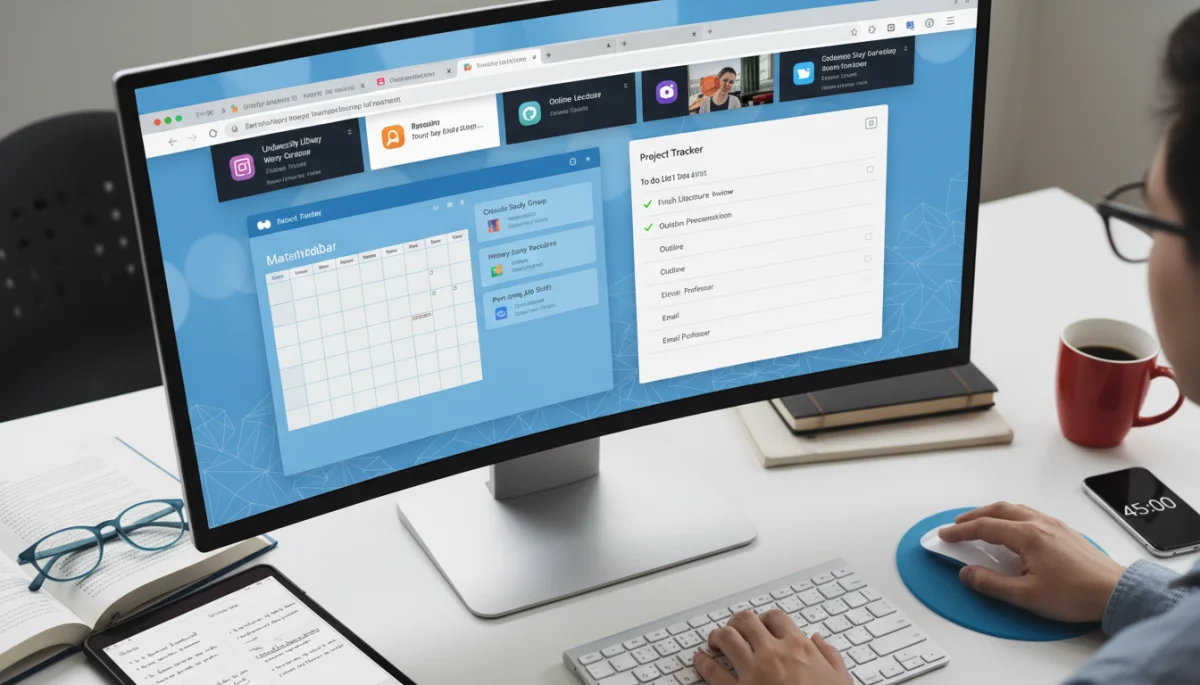
Students should explore and integrate tools such as Google Workspace or Microsoft 365 for document creation and sharing, Zoom or Microsoft Teams for virtual meetings, and project management software for group assignments. Understanding the nuances of each tool can streamline workflows and improve productivity.
The ability to adapt to new technologies quickly is also a vital skill. As new tools emerge, students who can integrate them into their learning routine will maintain a competitive edge. This adaptability fosters resilience in a rapidly changing digital environment.
Cultivating self-discipline and time management
Online learning demands a high degree of self-discipline and effective time management. Without the traditional structure of a physical classroom, students must become their own motivators and organizers. This is particularly true for US students juggling academic responsibilities with other commitments.
Establishing a consistent study routine is a cornerstone of online success. This involves setting specific times for learning, adhering to them, and creating a dedicated study space free from distractions. A structured approach helps mimic the regularity of in-person classes.
Strategies for effective time management
Time management in an online setting requires conscious effort and strategic planning. Students often benefit from using digital calendars and task management apps.
- Prioritization: Identify high-priority tasks and allocate time accordingly.
- Scheduling: Create a weekly schedule that includes study blocks, breaks, and other activities.
- Breaking down tasks: Divide large assignments into smaller, manageable steps to avoid overwhelm.
- Avoiding procrastination: Implement techniques like the Pomodoro Technique to maintain focus and prevent delays.
Building self-motivation and accountability
Motivation can wane without the immediate presence of peers or instructors. Students need to develop internal mechanisms for staying engaged and accountable. Setting personal goals and celebrating small achievements can sustain momentum.
Finding an accountability partner or joining online study groups can also provide external motivation. Regularly checking in with peers or mentors can reinforce commitment and provide a support system. This shared responsibility helps maintain focus and drive.
Enhancing communication and collaboration skills
Effective communication is critical in online environments, especially when collaboration is involved. US students must refine their ability to convey ideas clearly and concisely through written and virtual channels. Misunderstandings can arise easily without non-verbal cues, making precise language essential.
Active participation in online discussions, asking pertinent questions, and providing constructive feedback are all facets of strong communication. This not only enhances individual learning but also contributes positively to the collective knowledge base of the class.
Mastering virtual communication etiquette
Virtual communication has its own set of rules and norms. Understanding these can prevent misinterpretations and foster a respectful learning environment.
- Clarity and conciseness: Get straight to the point in emails and discussion posts.
- Professionalism: Maintain a respectful and academic tone in all interactions.
- Timeliness: Respond to messages and inquiries promptly.
- Netiquette: Be mindful of online behavior, avoiding all caps or aggressive language.
Collaborating effectively in virtual teams
Group projects in an online setting require a different approach than in-person collaboration. Students must learn to leverage digital tools to coordinate efforts, share resources, and maintain project timelines.
Establishing clear roles and responsibilities from the outset is vital. Regular virtual check-ins and the use of shared documents ensure everyone is on the same page. Conflict resolution skills also become more important, as disagreements must be addressed without the benefit of face-to-face interaction.
Successful online collaboration hinges on trust and mutual respect. Students who actively listen, offer support, and contribute equitably will find group work to be a rewarding aspect of their online education.
Developing critical thinking and problem-solving
Online learning environments often present students with opportunities to develop advanced critical thinking and problem-solving skills. Without direct instruction or immediate answers, students are frequently challenged to seek out information, analyze it, and formulate their own solutions. This independent exploration fosters a deeper understanding of course material.
The vast amount of information available online also necessitates strong analytical skills. Students must learn to discern credible sources from unreliable ones, evaluate arguments, and synthesize diverse perspectives. This ability to critically assess information is invaluable for both academic and future professional pursuits.
Analyzing information and sources
In the digital age, information overload is a common challenge. Students must develop a keen eye for evaluating the authenticity and reliability of online sources.
- Source credibility: Check authors, publications, and affiliations.
- Bias detection: Identify potential biases in presented information.
- Cross-referencing: Verify information across multiple reputable sources.
- Fact-checking: Utilize fact-checking websites and tools.
Approaching complex online assignments
Online assignments often require students to apply theoretical knowledge to practical scenarios, demanding creative problem-solving. This might involve research projects, case studies, or simulations.
Breaking down complex problems into smaller, manageable components can make them less daunting. Students should practice formulating clear research questions, developing hypotheses, and systematically testing solutions. Seeking feedback from instructors or peers can also provide valuable insights and alternative perspectives, enhancing the problem-solving process.
Fostering adaptability and resilience
The online learning landscape is dynamic, constantly evolving with new technologies, pedagogies, and unforeseen challenges. For US students, fostering adaptability and resilience is not merely beneficial but essential for long-term success. The ability to pivot when faced with unexpected technical glitches or changes in course structure can make a significant difference in academic performance.
Resilience in online learning also involves maintaining a positive outlook despite setbacks. It’s about learning from mistakes, seeking help when needed, and not becoming discouraged by the unique demands of virtual education. This mental fortitude is a critical component of navigating the academic journey.
Adapting to new learning modalities
Educational institutions are continually experimenting with new ways to deliver online content, from synchronous live sessions to asynchronous modules. Students must be prepared to adjust to these varying formats.
- Flexibility: Be open to different teaching styles and technological platforms.
- Proactiveness: Familiarize yourself with new tools or methods before they are officially introduced.
- Continuous learning: Embrace the idea that learning how to learn online is an ongoing process.
- Self-assessment: Regularly evaluate which modalities work best for your individual learning style.
Building resilience against setbacks
Online learning can present unique stressors, such as technical difficulties, feelings of isolation, or challenges in maintaining focus. Developing resilience helps students overcome these obstacles.
Strategies include practicing mindfulness, maintaining a healthy work-life balance, and building a strong support network of peers and mentors. Understanding that setbacks are a normal part of the learning process can empower students to persevere and find alternative solutions, rather than giving up. This proactive mindset is key to thriving in a virtual academic environment.
Prioritizing digital well-being and mental health
While the benefits of online learning are numerous, the constant engagement with screens and the potential for isolation can impact digital well-being and mental health. For US students, it’s crucial to proactively manage these aspects to ensure a sustainable and healthy academic experience. Balancing screen time with offline activities is vital for preventing burnout and maintaining cognitive function.
Creating boundaries between academic work and personal life is another important step. Without a clear distinction between home and school, students can find themselves constantly ‘on,’ leading to increased stress and reduced productivity. Intentional breaks and dedicated leisure time are non-negotiable.
Managing screen time and digital fatigue
Extended periods in front of a screen can lead to eye strain, headaches, and general fatigue. Implementing strategies to mitigate these effects is important for long-term health.
- Regular breaks: Follow the 20-20-20 rule (every 20 minutes, look at something 20 feet away for 20 seconds).
- Blue light filters: Use software or glasses to reduce blue light exposure, especially in the evenings.
- Ergonomics: Ensure your workspace is set up to minimize physical strain.
- Digital detoxes: Schedule periods away from all screens to recharge.
Seeking support for mental well-being
The isolation sometimes associated with online learning can exacerbate feelings of stress or anxiety. Students should be aware of resources available to support their mental health.
Many universities offer virtual counseling services, peer support groups, and mental health workshops. Reaching out to friends, family, or mentors can also provide a crucial emotional outlet. Prioritizing self-care, including adequate sleep, nutrition, and physical activity, forms the bedrock of good mental health, enabling students to perform their best academically and personally.
Leveraging academic resources and networking
Online learning doesn’t mean learning in isolation. In fact, the digital environment often provides expanded access to academic resources and networking opportunities that traditional campuses might not. US students should actively seek out and utilize these tools to enhance their learning experience and build professional connections.
From virtual library databases to online tutoring services, a wealth of support is available at their fingertips. Engaging with these resources can bridge knowledge gaps, improve academic performance, and provide a sense of community that is sometimes missed in remote settings.
Accessing online academic support
Most educational institutions have robust online support systems designed specifically for virtual learners. Students should familiarize themselves with these offerings.
- Virtual libraries: Access scholarly articles, e-books, and research databases.
- Online tutoring: Connect with tutors for specific subjects or writing assistance.
- Academic advising: Schedule virtual appointments with advisors for course planning and career guidance.
- Technical support: Utilize help desks for any software or hardware issues.
Building a professional online network
Networking in an online world extends beyond social media. Students can connect with peers, professors, and industry professionals through various platforms and virtual events.
Participating in online conferences, webinars, and professional organizations can open doors to internships, mentorships, and future career opportunities. Engaging thoughtfully in LinkedIn and other professional networking sites can also build a valuable digital presence. These connections are not just for immediate academic success but for long-term career development in an increasingly globalized and digital workforce.
| Key Skill | Brief Description |
|---|---|
| Digital Literacy | Proficiency with LMS, productivity tools, and digital etiquette. |
| Self-Discipline | Effective time management, routine creation, and self-motivation. |
| Communication | Clear virtual interaction, collaboration, and netiquette. |
| Adaptability | Flexibility with new modalities and resilience against setbacks. |
Frequently asked questions about online learning
Essential digital tools include a reliable Learning Management System (LMS) like Canvas or Blackboard, productivity suites such as Google Workspace or Microsoft 365, and communication platforms like Zoom or Microsoft Teams. Familiarity with these is key for US students.
Effective time management involves creating a consistent study schedule, using digital calendars, breaking down large assignments, and employing techniques like the Pomodoro Method. Prioritizing tasks and avoiding procrastination are also vital for success.
Netiquette refers to the rules of polite behavior on the internet. It’s crucial in online learning to ensure clear, respectful, and professional communication with instructors and peers, preventing misunderstandings and fostering a positive academic environment.
Students should manage screen time with regular breaks, use blue light filters, ensure ergonomic setups, and schedule digital detoxes. Prioritizing self-care, seeking support services, and maintaining a work-life balance are also essential for mental health.
Yes, online academic resources can be highly effective. Virtual libraries offer extensive databases, online tutoring provides personalized support, and virtual advising helps with academic planning. Leveraging these resources can significantly enhance the online learning experience.
Conclusion
As we navigate the 2026 academic year, the proficiency in online learning skills will undoubtedly define academic success for US students. The ability to master digital literacy, cultivate strong self-discipline, communicate effectively in virtual spaces, think critically, adapt to new modalities, and prioritize digital well-being are not just beneficial but indispensable. By proactively developing these essential skills, students can transform the challenges of online education into opportunities for profound growth and achievement, setting a solid foundation for their future endeavors in a rapidly evolving world.
Autor