Enhanced Medicare Benefits 2026: Coverage & Deadlines

Understanding the new Medicare benefits and enrollment deadlines for 2026 is crucial for optimizing healthcare coverage and making informed decisions for your future.
As we approach 2026, understanding the upcoming changes to medicare benefits 2026 is more critical than ever. This guide will navigate the enhanced coverage options and essential enrollment deadlines, ensuring you are well-prepared to make the best healthcare decisions for yourself or your loved ones.
The Evolution of Medicare: What to Expect in 2026
Medicare, the federal health insurance program for people aged 65 or older, certain younger people with disabilities, and people with End-Stage Renal Disease, is constantly evolving. Each year brings adjustments, but 2026 is poised to introduce significant enhancements designed to improve access to care and reduce out-of-pocket costs for beneficiaries. These changes reflect ongoing efforts to modernize the program and address the evolving healthcare needs of the American population.
Understanding these shifts is paramount for current beneficiaries and those approaching eligibility. The landscape of healthcare is dynamic, and staying informed about Medicare’s updates ensures that you can leverage all available resources. From preventative care to prescription drug coverage, the modifications in 2026 aim to provide a more robust and responsive healthcare safety net.
Key Legislative Drivers for 2026 Changes
The enhancements in 2026 are largely influenced by recent legislative initiatives and ongoing policy discussions. These drivers focus on several core areas:
- Affordability: Measures to cap out-of-pocket spending and reduce prescription drug costs.
- Access to Care: Expanding coverage for specific services, particularly in mental health and chronic disease management.
- Program Modernization: Incorporating new technologies and care models to improve efficiency and patient outcomes.
These legislative underpinnings are crucial for comprehending the ‘why’ behind the ‘what’ of the 2026 changes. They underscore a commitment to making Medicare more sustainable and beneficial for its millions of enrollees.
In summary, 2026 marks a pivotal year for Medicare, with various enhancements set to reshape the beneficiary experience. Staying ahead of these changes will empower individuals to optimize their healthcare planning and ensure they receive the best possible coverage.
New Coverage Options and Expanded Benefits
The year 2026 promises a range of new coverage options and expanded benefits under Medicare, reflecting a commitment to comprehensive care. These additions are designed to fill existing gaps and provide more holistic support for beneficiaries. It’s not just about adding new services; it’s about making existing ones more accessible and affordable.
One of the most anticipated changes involves prescription drug costs. Following recent legislative efforts, 2026 is expected to see further implementation of caps on out-of-pocket spending for prescription medications under Part D. This could significantly alleviate the financial burden for many individuals, particularly those with high drug costs for chronic conditions.
Mental Health Services Expansion
Mental health care continues to be a priority, and 2026 is projected to bring expanded coverage for these vital services. This includes broader access to licensed mental health counselors and clinical social workers, making it easier for beneficiaries to receive necessary psychological support.
- Increased Access: More providers eligible for Medicare reimbursement.
- Telehealth Integration: Continued coverage for mental health services delivered via telehealth, enhancing convenience and reach.
- Preventative Screenings: Potential for expanded preventative mental health screenings to identify issues earlier.
These enhancements are crucial in addressing the growing need for mental health support, ensuring that beneficiaries receive timely and appropriate care without undue financial strain.
Chronic Disease Management Innovations
For individuals managing chronic conditions, 2026 is expected to introduce innovative approaches to care. This could include expanded coverage for remote patient monitoring devices and services, allowing healthcare providers to track health metrics more effectively and intervene proactively. Such advancements aim to improve health outcomes and reduce hospitalizations.
The focus on chronic disease management also extends to integrated care models, where various specialists coordinate efforts to provide comprehensive support. This team-based approach ensures that all aspects of a beneficiary’s health are addressed, leading to better overall well-being. Understanding these new benefits will be key to leveraging them effectively for improved health management.
In essence, the new coverage options and expanded benefits in 2026 represent a significant step forward in making Medicare more responsive to the diverse needs of its beneficiaries, particularly in critical areas like mental health and chronic disease management.
Understanding Medicare Parts: A 2026 Perspective
Navigating Medicare can often feel complex due to its multiple parts, each covering different aspects of healthcare. In 2026, while the fundamental structure of Medicare Parts A, B, C, and D remains, it’s crucial to understand how the new benefits and regulations will integrate into each part. This knowledge empowers beneficiaries to choose the most suitable plan for their individual needs.
Medicare Part A, known as Hospital Insurance, covers inpatient hospital stays, care in a skilled nursing facility, hospice care, and some home health care. For 2026, while the core coverage remains stable, beneficiaries may see slight adjustments in deductibles and coinsurance amounts, which are typically updated annually.
Part B: Medical Insurance Updates
Medicare Part B, or Medical Insurance, covers certain doctors’ services, outpatient care, medical supplies, and preventive services. The enhancements in mental health and chronic disease management discussed earlier will primarily fall under Part B, expanding the scope of covered outpatient services. This means more accessible preventative care and specialized treatments.
- Preventative Services: Continued emphasis on screenings and counseling to promote early detection and intervention.
- Telehealth Services: Ongoing robust coverage for telehealth, ensuring continued access to remote medical consultations.
- Therapeutic Services: Potential expansion of coverage for occupational, physical, and speech therapy services.
These updates aim to make Part B more comprehensive, particularly in areas that support long-term health and wellness.
Part C: Medicare Advantage Plans in 2026
Medicare Part C, also known as Medicare Advantage, offers an alternative way to receive Medicare benefits. These plans are offered by private companies approved by Medicare and include all the benefits of Parts A and B, often with additional benefits like vision, hearing, dental, and prescription drug coverage (MAPD plans). In 2026, Medicare Advantage plans are expected to continue their trend of offering innovative benefits, potentially including expanded coverage for wellness programs, transportation to appointments, and even healthy food allowances.
The competitive nature of the Medicare Advantage market means beneficiaries can anticipate a wide array of options, with plans tailoring their offerings to attract and retain members. It’s essential to carefully review plan details to understand how new federal benefits are integrated and what additional perks are available.
Medicare Part D, Prescription Drug Coverage, will see the most significant impact from the new out-of-pocket spending caps. This will fundamentally change how beneficiaries manage their prescription drug costs, offering greater financial predictability and protection against high expenses.
In summary, while the core structure of Medicare Parts remains consistent, 2026 brings important updates to the specific benefits and cost-sharing associated with each part, making it vital for beneficiaries to stay informed.
Navigating Enrollment Periods and Deadlines for 2026
Successfully accessing your medicare benefits 2026 hinges on understanding and adhering to the various enrollment periods and deadlines. Missing a deadline can result in delayed coverage, penalties, or even gaps in your healthcare. Planning ahead is crucial to ensure a seamless transition or adjustment to your Medicare plan.
The Medicare enrollment calendar can be complex, with different periods designated for initial enrollment, annual changes, and special circumstances. Being aware of these windows allows you to make timely decisions and avoid potential pitfalls.
Initial Enrollment Period (IEP)
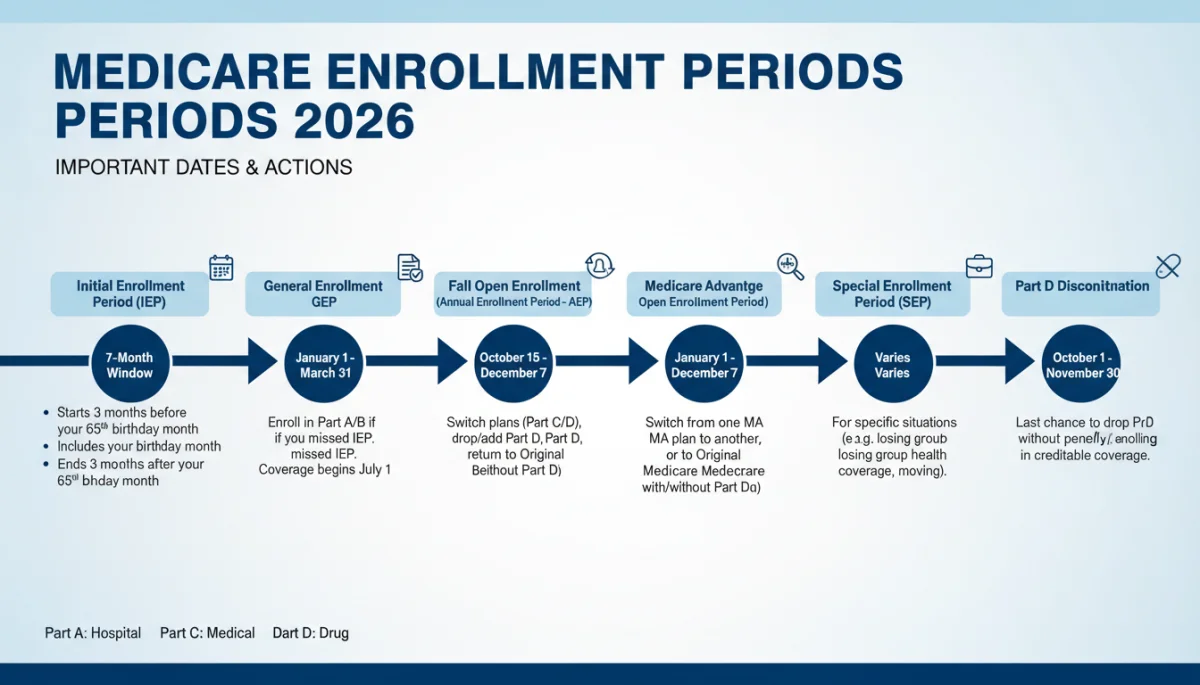
The Initial Enrollment Period (IEP) is your first opportunity to sign up for Medicare. It’s a seven-month period that begins three months before your 65th birthday month, includes your birthday month, and extends three months after. If you don’t sign up during your IEP, you could face late enrollment penalties for Part B, which can last for as long as you have Medicare.
- Start Date: Three months before your 65th birthday month.
- End Date: Three months after your 65th birthday month.
- Key Action: Enroll in Part A and Part B to avoid penalties.
Understanding your IEP is the foundational step in securing your Medicare coverage.
Annual Enrollment Period (AEP)
The Annual Enrollment Period (AEP), often referred to as the Open Enrollment Period, runs from October 15th to December 7th each year. This is your opportunity to make changes to your Medicare coverage for the upcoming year. For 2026, this means you can:

- Switch from Original Medicare to a Medicare Advantage Plan.
- Switch from a Medicare Advantage Plan back to Original Medicare.
- Change Medicare Advantage Plans.
- Join a Medicare Part D prescription drug plan.
- Switch Medicare Part D prescription drug plans.
Any changes made during the AEP will take effect on January 1st of the following year. This period is critical for reviewing your current coverage against the new 2026 benefits and making adjustments as needed.
Special Enrollment Periods (SEPs)
Life events can sometimes trigger a Special Enrollment Period (SEP), allowing you to make changes outside of the standard enrollment windows. Common reasons for an SEP include moving to a new service area, losing other creditable coverage, or qualifying for Extra Help. It’s important to check if you qualify for an SEP if you experience a significant life change, as it can prevent gaps in coverage.
In conclusion, meticulous attention to Medicare enrollment periods and deadlines is paramount for securing optimal coverage in 2026. Proactive planning and understanding these crucial dates will ensure you receive the benefits you need without interruption.
Financial Implications: Costs, Premiums, and Subsidies
Understanding the financial aspects of Medicare in 2026 is crucial for effective budget planning. While new benefits aim to reduce out-of-pocket costs, beneficiaries will still need to consider premiums, deductibles, and potential subsidies. These elements collectively determine the true cost of your healthcare coverage.
Medicare costs are not static; they are subject to annual adjustments based on various economic factors and legislative changes. For 2026, it’s anticipated that while some costs may see slight increases, the overall trend is towards greater affordability, especially concerning prescription drugs.
Part B Premiums and Deductibles
The standard monthly premium for Medicare Part B is typically announced in the fall prior to the coverage year. For 2026, this premium, along with the annual Part B deductible, will be updated. Higher-income beneficiaries may pay a higher premium, known as the Income-Related Monthly Adjustment Amount (IRMAA). It’s essential to factor these costs into your financial planning.
- Annual Adjustments: Premiums and deductibles are subject to yearly changes.
- IRMAA: Higher earners pay more for Part B and Part D.
- Preventative Care: Many preventative services are covered 100% under Part B, reducing immediate out-of-pocket expenses for these vital services.
Staying informed about these figures is important, as they directly impact your monthly expenditures.
Prescription Drug Costs and Out-of-Pocket Caps
One of the most significant financial changes for 2026 will be the continued implementation of the out-of-pocket spending cap for prescription drugs under Medicare Part D. This cap is designed to protect beneficiaries from exorbitant drug costs, providing a much-needed financial safety net. This measure will transform how many individuals manage their medication expenses, offering greater predictability and relief.
Additionally, various programs exist to help lower prescription drug costs, such as the Extra Help program, which provides financial assistance for those with limited income and resources. Understanding eligibility for such programs can further reduce financial burdens.
Medicare Advantage Plan Costs
Medicare Advantage plans often come with their own premium structures, which can vary widely. Some plans may have a $0 monthly premium (beyond your Part B premium), while others may charge an additional amount. Deductibles, copayments, and coinsurance also vary by plan. When choosing a Medicare Advantage plan for 2026, it’s vital to compare these costs carefully, alongside the benefits offered, to find a plan that aligns with both your healthcare needs and your budget.
In summary, while 2026 brings promising enhancements to Medicare benefits, a thorough understanding of the associated costs, premiums, and available subsidies is indispensable for making financially sound healthcare decisions.
Tips for Maximizing Your Medicare Benefits in 2026
To truly unlock the full potential of your medicare benefits 2026, a proactive and informed approach is essential. Simply enrolling is the first step; maximizing your benefits involves strategic planning, regular review, and taking advantage of all available resources. This section provides actionable tips to help you navigate the system effectively.
Optimizing your Medicare experience means more than just saving money; it means ensuring you receive the highest quality of care tailored to your specific health needs. With the new enhancements in 2026, there are even more opportunities to enhance your coverage.
Review Your Coverage Annually
The Annual Enrollment Period (AEP) from October 15th to December 7th is your prime opportunity to review your current Medicare plan against the upcoming 2026 changes. Don’t assume your current plan will remain the best fit. Plans can change their premiums, deductibles, formularies (lists of covered drugs), and provider networks each year. Take the time to compare plans carefully.
- Compare Plans: Use the Medicare Plan Finder tool on Medicare.gov.
- Check Formularies: Ensure your prescription drugs are covered at an affordable cost.
- Verify Networks: Confirm your preferred doctors and hospitals are still in-network.
An annual review can uncover better coverage options or significant savings.
Utilize Preventative Services
Medicare places a strong emphasis on preventative care, and many preventative services are covered at no cost to you. For 2026, with potential expansions in mental health screenings and chronic disease management, it’s more important than ever to take advantage of these offerings. Regular check-ups, screenings, and vaccinations can help detect health issues early, preventing more serious and costly problems down the line.
Don’t overlook services like annual wellness visits, flu shots, mammograms, and colonoscopies. These are designed to keep you healthy and are a cornerstone of maximizing your benefits.
Seek Assistance and Resources
Navigating Medicare can be complex, but you don’t have to do it alone. There are numerous resources available to help you understand your options and make informed decisions:
- State Health Insurance Assistance Programs (SHIP): Offer free, unbiased counseling on Medicare.
- Medicare.gov: The official government website provides comprehensive information and tools.
- Trusted Advisors: Consult with financial planners or insurance brokers specializing in Medicare.
These resources can provide personalized guidance, helping you understand complex regulations and choose the best plan for your circumstances.
In conclusion, maximizing your Medicare benefits in 2026 requires active participation, annual reviews, leveraging preventative care, and not hesitating to seek expert assistance. These steps ensure you receive the comprehensive and cost-effective healthcare you deserve.
The Future of Medicare: Long-Term Outlook Beyond 2026
While our immediate focus is on medicare benefits 2026, it’s also valuable to consider the long-term outlook for the program. Medicare is not a static entity; it continually adapts to demographic shifts, medical advancements, and economic pressures. Understanding these broader trends can provide insight into how your healthcare coverage might evolve in the years following 2026.
The future of Medicare is shaped by ongoing policy debates, technological innovations, and the changing health needs of an aging population. These factors will drive further reforms and enhancements, ensuring the program remains relevant and sustainable.
Technological Integration and Telehealth
Beyond 2026, we can expect even greater integration of technology into Medicare services. Telehealth, which saw a significant boost during recent years, is likely to become an even more entrenched component of care delivery. This includes expanded coverage for remote monitoring, virtual consultations, and digital health tools that empower beneficiaries to manage their health more effectively from home.
- AI in Diagnostics: Potential for AI-driven diagnostic tools to be covered, improving accuracy and speed.
- Wearable Devices: Increased coverage for health-monitoring wearables that provide real-time data to providers.
- Digital Health Platforms: More robust platforms for managing appointments, prescriptions, and health records.
These advancements aim to make healthcare more convenient, efficient, and personalized.
Focus on Value-Based Care
The shift towards value-based care models, where providers are compensated based on patient outcomes rather than the volume of services, is expected to accelerate beyond 2026. This approach encourages coordinated, high-quality care that emphasizes preventative measures and chronic disease management, aligning with Medicare’s goals of improving health outcomes and controlling costs in the long run.
This paradigm shift will likely lead to more integrated healthcare systems and a greater emphasis on preventative strategies, potentially offering more comprehensive and proactive care for beneficiaries.
Addressing Long-Term Care Needs
Long-term care remains a significant challenge, and while Medicare primarily covers short-term skilled nursing care, there’s ongoing discussion about how the program might evolve to address broader long-term care needs. While no immediate comprehensive changes are expected post-2026, it’s an area that will continue to be debated as the population ages and demand for these services grows.
In conclusion, while 2026 brings important updates, Medicare’s journey of evolution continues. Beneficiaries should remain attentive to future developments, particularly in technology, value-based care, and long-term care discussions, to stay prepared for what lies ahead.
| Key Aspect | Description for 2026 |
|---|---|
| New Coverage Options | Expanded mental health services and enhanced chronic disease management support. |
| Prescription Drug Costs | Implementation of out-of-pocket spending caps under Part D for greater financial protection. |
| Enrollment Deadlines | Initial Enrollment Period (IEP), Annual Enrollment Period (AEP), and Special Enrollment Periods (SEPs) are critical for timely enrollment. |
| Financial Considerations | Understand Part B premiums, deductibles, and available subsidies like Extra Help. |
Frequently Asked Questions About Medicare in 2026
The most significant new benefits for 2026 include expanded coverage for mental health services, enhanced support for chronic disease management, and further implementation of the out-of-pocket spending cap for prescription drugs under Part D, providing greater financial relief for beneficiaries.
The Annual Enrollment Period (AEP) for 2026 Medicare plans will run from October 15th to December 7th, 2025. During this time, you can make changes to your existing Medicare coverage, such as switching plans or enrolling in a Part D drug plan.
Medicare Part B premiums are subject to annual adjustments. The exact amount for 2026 will be announced in the fall of 2025. Factors like inflation and legislative changes influence these adjustments, and higher-income individuals may pay an Income-Related Monthly Adjustment Amount (IRMAA).
The prescription drug out-of-pocket cap under Medicare Part D will provide a crucial financial safeguard for beneficiaries with high medication costs. This cap limits the total amount you will pay for covered prescription drugs annually, significantly reducing financial burden and providing greater predictability in expenses.
For personalized assistance, you can contact your State Health Insurance Assistance Program (SHIP) for free, unbiased counseling. The official Medicare website, Medicare.gov, also offers comprehensive tools and information, and you can consult with trusted insurance brokers specializing in Medicare plans.
Conclusion
The approaching year of 2026 marks a significant juncture for Medicare, bringing with it a suite of enhanced benefits and crucial updates that beneficiaries must understand. From expanded mental health coverage and innovative chronic disease management strategies to the vital out-of-pocket spending caps for prescription drugs, these changes are designed to offer more comprehensive and affordable healthcare. Navigating the various enrollment periods and understanding the financial implications are paramount to maximizing these benefits. By staying informed, reviewing your coverage annually, and utilizing available resources, you can ensure that your Medicare plan optimally supports your health and financial well-being in 2026 and beyond. Proactive engagement is key to unlocking the full potential of your healthcare coverage.