EPA unveils stricter emissions standards for vehicles starting 2025
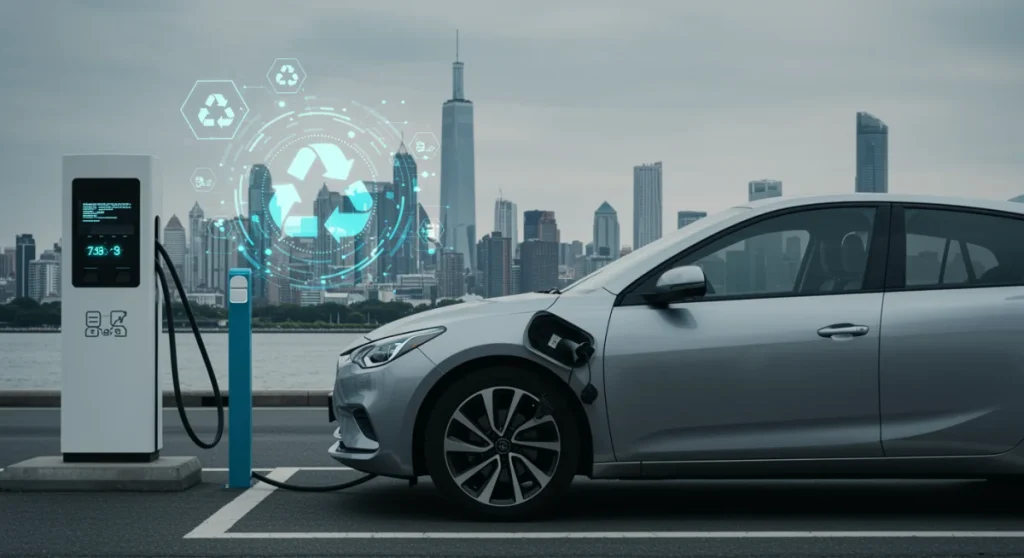
The Environmental Protection Agency (EPA) has announced significantly stricter emissions standards for new vehicles beginning in 2025, aiming to reduce air pollution and accelerate the transition to cleaner transportation technologies across the United States.
In a landmark move to combat climate change and improve public health, the Environmental Protection Agency (EPA) recently unveiled significantly stricter emissions standards for vehicles beginning in 2025. This decisive policy shift marks a pivotal moment in the nation’s ongoing efforts to transition towards a cleaner, more sustainable transportation future.
Understanding the new EPA emissions standards
The Environmental Protection Agency’s (EPA) new emissions standards for vehicles, set to take effect in 2025, represent a comprehensive update to existing regulations. These stricter guidelines are designed to significantly reduce greenhouse gas emissions and other harmful pollutants from the transportation sector, addressing both climate change and public health concerns.
These regulations are not merely incremental adjustments; they introduce ambitious targets that compel automakers to accelerate their development and deployment of advanced vehicle technologies. The scope of these standards covers a wide range of vehicles, from light-duty passenger cars to heavier trucks, ensuring a broad impact across the automotive landscape.
Key components of the new regulations
- Stricter carbon dioxide limits: The new rules impose stringent limits on CO2 emissions, aiming for a substantial reduction per mile traveled. This directly targets the primary greenhouse gas contributing to global warming.
- Reduced nitrogen oxide emissions: Beyond CO2, the standards also focus on cutting nitrogen oxide (NOx) emissions, which are major contributors to smog and respiratory illnesses, particularly in urban areas.
- Increased electric vehicle adoption: While not a direct mandate, the standards are structured to incentivize automakers to produce and sell more electric vehicles (EVs) and plug-in hybrids, as these technologies are essential for meeting the aggressive new targets.
The EPA’s approach is designed to provide flexibility to manufacturers while ensuring the overall environmental goals are met. This includes provisions for averaging, banking, and trading (ABT) of credits, allowing companies to meet targets through various strategies, including over-compliance in some areas to offset under-compliance in others.
Ultimately, these standards reflect a global trend towards cleaner transportation, positioning the United States at the forefront of environmental policy innovation. The long-term vision is a transportation system that minimizes its environmental footprint and contributes positively to the health and well-being of communities nationwide.
The environmental impact and public health benefits
The introduction of stricter EPA emissions standards for vehicles starting in 2025 promises significant environmental improvements and substantial public health benefits across the United States. By targeting key pollutants, these regulations aim to create a healthier planet and healthier communities.
The transportation sector has historically been a major source of air pollution. These new standards are specifically designed to mitigate these impacts, leading to cleaner air and a reduction in climate-altering greenhouse gases. The benefits extend beyond just reducing emissions at the tailpipe; they encompass the entire lifecycle of vehicle usage.
Cleaner air and reduced climate change
Reducing carbon dioxide emissions is central to combating climate change. The new standards are projected to prevent millions of tons of CO2 from entering the atmosphere over the coming decades, slowing the rate of global warming. This translates into fewer extreme weather events, more stable ecosystems, and a more predictable climate for future generations.
- Lower particulate matter: Stricter controls on particulate matter (PM2.5) will lead to fewer respiratory and cardiovascular diseases, especially in densely populated areas.
- Decreased smog formation: Reduced emissions of nitrogen oxides (NOx) and volatile organic compounds (VOCs) will significantly decrease ground-level ozone, or smog, which is detrimental to lung health and agricultural productivity.
- Protection of ecosystems: Less air pollution means healthier forests, lakes, and wildlife, as acid rain and nutrient pollution are curtailed.
From a public health perspective, the benefits are equally profound. Cleaner air directly translates to fewer cases of asthma, bronchitis, heart attacks, and premature deaths. Vulnerable populations, such as children, the elderly, and those with pre-existing conditions, will experience a disproportionately positive impact.
The EPA estimates that these regulations will yield billions of dollars in public health benefits annually, far outweighing the costs of implementation. These savings come from reduced healthcare expenditures, increased productivity due to fewer sick days, and an overall improvement in quality of life.
Technological advancements and automotive industry response
The EPA’s new emissions standards for vehicles starting in 2025 are a powerful catalyst for technological innovation within the automotive industry. Automakers are now compelled to accelerate their research and development into cleaner, more efficient vehicle technologies to meet these ambitious targets.
This regulatory push is not entirely new; the industry has been moving towards electrification and increased efficiency for years. However, the stricter 2025 standards intensify this transition, making advanced powertrains and sustainable manufacturing practices a top priority for all major players.
Innovations driving the future of mobility
The primary focus of innovation is undoubtedly on electric vehicles (EVs). This includes not only battery electric vehicles (BEVs) but also advancements in hybrid electric vehicles (HEVs) and plug-in hybrid electric vehicles (PHEVs). Automakers are investing heavily in improving battery density, charging speeds, and overall EV range to make them more appealing to consumers.
- Battery technology: Next-generation batteries with longer lifespans, faster charging capabilities, and lower manufacturing costs are critical for widespread EV adoption.
- Powertrain efficiency: Even for internal combustion engine (ICE) vehicles, continuous improvements in engine design, aerodynamics, and lightweight materials are necessary to squeeze out every possible efficiency gain.
- Hydrogen fuel cell technology: While still niche, advancements in hydrogen fuel cell vehicles (FCVs) are also being explored as another zero-emission alternative, particularly for heavy-duty applications.
Beyond the vehicles themselves, the standards also indirectly spur innovation in supporting infrastructure, such as charging networks and renewable energy sources. Automakers are increasingly partnering with energy companies and governments to ensure a robust ecosystem for electric mobility.
The industry’s response has been mixed, with some companies embracing the challenge and others expressing concerns about the pace of the transition and potential economic impacts. However, the overall consensus is that the shift towards cleaner vehicles is inevitable, and these standards are simply accelerating a necessary evolution.
Economic implications for consumers and automakers
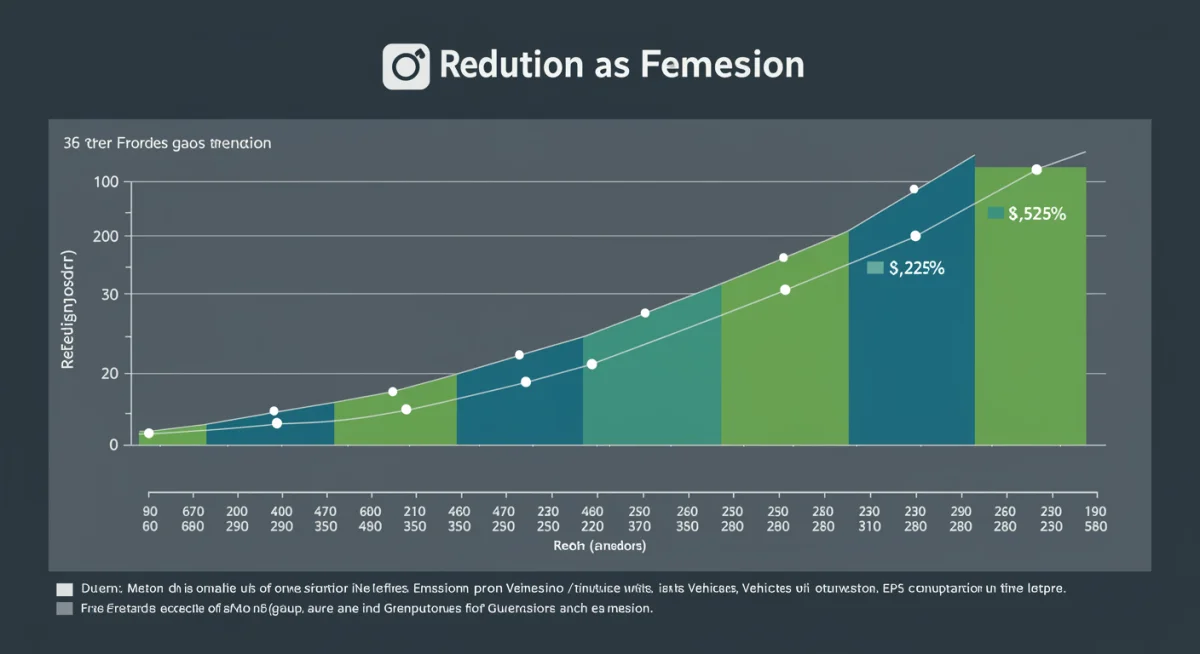
The stricter EPA emissions standards for vehicles starting in 2025 will undoubtedly have significant economic implications, affecting both consumers and automakers across the United States. While the long-term benefits are clear, the transition period presents a complex financial landscape.
For automakers, meeting these new targets requires substantial investment in research, development, and manufacturing upgrades. This could translate into higher upfront costs for new vehicles, at least initially, as companies absorb these expenses and scale up production of advanced technologies.
Costs and benefits for consumers
Consumers may face higher purchase prices for new vehicles that comply with the stricter standards. Electric vehicles, while becoming more affordable, still often carry a premium compared to their gasoline counterparts. However, these upfront costs can be offset by significant long-term savings.
- Fuel cost savings: Electric vehicles and more fuel-efficient ICE vehicles will lead to reduced spending at the pump.
- Maintenance savings: EVs generally have fewer moving parts than gasoline cars, resulting in lower maintenance costs over their lifespan.
- Government incentives: Federal and state tax credits, rebates, and other incentives are often available to help offset the purchase price of EVs and other clean vehicles.
For automakers, the challenge lies in balancing innovation with affordability. Companies that successfully adapt and offer competitive, compliant vehicles will likely gain market share, while those that lag could face penalties and reduced sales. The shift also creates new job opportunities in battery manufacturing, charging infrastructure, and EV servicing.
The overall economic impact is a complex interplay of costs and benefits. While there will be initial adjustments and investments, the long-term economic advantages of reduced fuel dependence, lower healthcare costs from improved air quality, and the growth of new industries are expected to provide a net positive outcome for the economy.
Comparing US standards with global environmental policies
The EPA’s stricter emissions standards for vehicles starting in 2025 place the United States within a broader global context of environmental policy. Many nations and regions worldwide have already implemented or are planning similar, if not more stringent, regulations to curb vehicle emissions.
This global push towards cleaner transportation is driven by a shared understanding of climate change urgency and the imperative to improve air quality. Understanding how US policies compare internationally provides valuable insight into competitive landscapes and best practices.
International benchmarks and trends
Europe, for instance, has long been a leader in setting ambitious emissions targets, particularly for CO2. The European Union’s regulations have driven significant advancements in fuel efficiency and the adoption of electric vehicles across its member states. China, as the world’s largest automotive market, is also rapidly accelerating its transition to new energy vehicles (NEVs) through a combination of mandates and incentives.
- European Union: Known for its stringent CO2 targets and significant investment in EV infrastructure.
- China: Implementing aggressive NEV quotas and rapidly expanding its EV charging network.
- California’s role: Many US states, particularly California, often set their own emissions standards that are more stringent than federal requirements, influencing national policy and acting as a global benchmark.
While the new EPA standards bring the US closer to these global leaders, there are still areas where other regions maintain a stronger regulatory stance or have more aggressive timelines for phasing out internal combustion engine vehicles entirely. This comparison highlights both the progress being made and the remaining opportunities for further action.
The global nature of the automotive industry means that manufacturers often design vehicles to meet the toughest prevailing standards, which can inadvertently benefit regions with less strict regulations. By aligning more closely with international benchmarks, the US can ensure its domestic market remains competitive and continues to attract cutting-edge automotive technology.
Challenges and criticisms of the new regulations
While the EPA’s stricter emissions standards for vehicles starting in 2025 are widely praised for their environmental ambitions, they also face various challenges and criticisms. These concerns often revolve around economic feasibility, technological readiness, and potential impacts on consumer choice.
Opponents of the new regulations frequently argue that the aggressive timeline for compliance places an undue burden on automakers, potentially leading to higher vehicle costs that could deter consumers. There are also debates about the pace of infrastructure development needed to support a rapid transition to electric vehicles.
Addressing implementation hurdles
One primary challenge is the significant investment required from automakers to retool factories, develop new vehicle platforms, and scale up battery production. This capital-intensive shift could be particularly difficult for smaller manufacturers or those with less diverse product portfolios.
- Charging infrastructure: The widespread adoption of EVs hinges on the availability of a robust and reliable charging network, which still requires substantial expansion in many parts of the country.
- Raw material supply: The increasing demand for critical minerals like lithium, cobalt, and nickel for EV batteries raises concerns about supply chain stability, ethical sourcing, and environmental impacts of mining.
- Consumer acceptance: Despite growing interest, some consumers remain hesitant about EVs due to range anxiety, charging times, and the initial purchase price.
Critics also raise questions about the practicalities of a rapid transition in diverse geographical areas. For example, rural communities may have less access to charging infrastructure and may rely more heavily on vehicles with longer ranges, making EV adoption more challenging.
Furthermore, there are concerns about the economic impact on the existing automotive workforce, particularly those involved in manufacturing internal combustion engine components. Reskilling and retraining programs will be crucial to ensure a just transition for these workers. Balancing these challenges with the urgent need for environmental protection remains a complex task for policymakers and industry leaders alike.
| Key Point | Brief Description |
|---|---|
| Stricter Emissions Goals | The EPA aims for significant reductions in greenhouse gases and other harmful pollutants from vehicles starting in 2025. |
| Focus on EVs | Regulations are designed to accelerate the adoption and production of electric vehicles and plug-in hybrids. |
| Economic Impact | Potential for higher initial vehicle costs, balanced by long-term fuel savings and new industry job creation. |
| Public Health Benefits | Projected improvements in air quality leading to fewer respiratory illnesses and significant healthcare savings. |
Frequently asked questions about EPA emissions standards
The primary goals are to significantly reduce greenhouse gas emissions, particularly carbon dioxide, and other harmful pollutants like nitrogen oxides from vehicles. This aims to combat climate change, improve air quality, and enhance public health across the United States by accelerating the transition to cleaner transportation technologies.
These standards will incentivize automakers to produce and sell a greater number of electric vehicles (EVs), plug-in hybrids, and more fuel-efficient internal combustion engine vehicles. Consumers can expect a wider selection of advanced, low-emission models as manufacturers adapt to the new regulations and invest in green technologies.
Initially, there might be an increase in the upfront purchase price of some new vehicles due to the advanced technologies required. However, these costs are often offset by long-term savings from reduced fuel consumption, lower maintenance needs for EVs, and various government incentives designed to promote cleaner vehicle adoption.
The standards are expected to lead to substantial reductions in CO2 emissions, helping to mitigate climate change. They will also decrease particulate matter and smog-forming pollutants, resulting in cleaner air, fewer respiratory illnesses, and protection of ecosystems. Billions of dollars in public health benefits are anticipated annually.
With these new regulations, the US is aligning more closely with global leaders in environmental policy, such as the European Union and China, which have similarly ambitious targets for vehicle emissions. This move helps the US remain competitive in the global automotive market and promotes the adoption of advanced green technologies.
Conclusion
The EPA’s unveiling of stricter emissions standards for vehicles starting in 2025 represents a critical step towards a more sustainable and healthier future for the United States. While posing initial challenges for the automotive industry and potential adjustments for consumers, the long-term environmental and public health benefits are substantial. This policy not only positions the US as a leader in climate action but also accelerates technological innovation and drives economic growth in green sectors. The transition will require continued collaboration between government, industry, and consumers to ensure a successful and equitable shift to cleaner transportation.
Autor