Inflation Hedging Strategies for 2026: Protect Your US Wealth
Effective inflation hedging strategies for 2026 are crucial for protecting wealth in the US economy, encompassing diverse asset classes like real estate, commodities, and inflation-protected securities to maintain purchasing power.
As we navigate towards the mid-2020s, understanding and implementing robust inflation hedging strategies for 2026 becomes paramount for safeguarding your financial future in the US economy. The landscape of economic stability is ever-shifting, making proactive wealth protection more critical than ever.
Understanding Inflation and Its Impact on Wealth
Inflation, at its core, is the rate at which the general level of prices for goods and services is rising, and subsequently, purchasing power is falling. While a moderate level of inflation is often seen as a sign of a healthy, growing economy, persistently high or unpredictable inflation can significantly erode the real value of savings and investments.
For individuals and institutions alike, the primary concern with inflation is the reduction in future purchasing power. A dollar today buys more than a dollar tomorrow if inflation is present. This phenomenon affects everything from the cost of daily necessities to the long-term value of retirement funds and real estate holdings.
The Erosion of Purchasing Power
When inflation rates outpace the returns on your investments, your net wealth effectively decreases. This is not merely a theoretical concept; it has tangible implications for your lifestyle, retirement plans, and financial security. Understanding this erosion is the first step towards formulating effective defensive strategies.
- Savings Accounts: Often yield returns below inflation, leading to a real loss in value.
- Fixed-Income Investments: Bonds and other fixed-income assets can suffer as their fixed payments become less valuable.
- Retirement Funds: Long-term savings intended for retirement can lose significant purchasing power over decades if not adequately hedged.
- Real Estate: While often considered an inflation hedge, not all real estate performs equally during inflationary periods.
Inflationary Pressures in the US Economy Leading up to 2026
The US economy has experienced various inflationary cycles, driven by factors such as supply chain disruptions, increased demand, fiscal policies, and geopolitical events. Predicting the exact trajectory of inflation is challenging, but historical patterns and current economic indicators suggest that a vigilant approach to wealth preservation is warranted as we approach 2026. Global events and domestic policies will continue to shape the economic environment, making adaptability a key trait for investors.
In conclusion, recognizing the subtle yet powerful impact of inflation on your wealth is foundational. It’s not just about nominal gains but about maintaining and growing your real purchasing power, ensuring your financial objectives remain attainable despite economic headwinds.
Real Estate as a Traditional Inflation Hedge
Real estate has long been considered a reliable asset for hedging against inflation, and for good reason. Its tangible nature and tendency to appreciate in value during inflationary periods make it an attractive option for many investors. The mechanics behind this hedging capability are multifaceted, involving both property values and rental income.
When inflation rises, the cost of building new properties also increases due to higher material and labor costs. This often translates to an increase in the value of existing properties. Furthermore, rental income typically adjusts upwards with inflation, providing a growing income stream that helps offset rising living costs.
Residential and Commercial Property Dynamics
Both residential and commercial real estate offer distinct advantages. Residential properties, particularly those in high-demand areas, can see steady appreciation and rental growth. Commercial properties, such as office buildings, retail spaces, or industrial warehouses, can also provide strong inflation protection through lease agreements that often include inflation escalators.
- Residential Real Estate: Provides stable income and potential capital appreciation, often benefiting from population growth.
- Commercial Real Estate: Offers longer lease terms and the ability to pass on operating cost increases to tenants.
- REITs (Real Estate Investment Trusts): A more liquid way to invest in real estate, offering diversification and professional management.
Challenges and Considerations for Real Estate Investors
While real estate can be a powerful inflation hedge, it’s not without its challenges. Liquidity can be an issue, as selling property can take time. Maintenance costs, property taxes, and unexpected repairs can also eat into returns. Moreover, local market conditions play a significant role, meaning not all real estate investments will perform identically.
Investors must conduct thorough due diligence, consider diversification across different property types and locations, and factor in potential interest rate changes which can impact financing costs. Despite these considerations, real estate remains a cornerstone of many successful inflation hedging portfolios, offering a robust defense against the erosion of purchasing power.
Commodities: Tangible Assets for Inflation Protection
Commodities represent another classic avenue for investors seeking to protect their wealth against inflation. These raw materials, such as gold, oil, agricultural products, and industrial metals, tend to increase in price during inflationary environments. This is because their value is tied directly to the cost of production and the fundamental supply and demand dynamics of the global economy.
When the cost of living and production rises, so too does the price of the basic inputs required for goods and services. This direct correlation makes commodities a natural hedge, as their value often moves in tandem with, or even ahead of, general price increases.
Gold and Precious Metals
Gold, in particular, has historically been viewed as a safe haven asset and a store of value during times of economic uncertainty and inflation. Its universal acceptance and finite supply contribute to its appeal. Silver, platinum, and palladium also share similar characteristics, though often with greater price volatility.
- Gold: Often maintains its value during economic downturns and high inflation, acting as a reliable hedge.
- Silver: Industrial demand can drive its price, offering both inflation protection and growth potential.
- Mining Stocks: Provide indirect exposure to precious metals and can offer leverage to commodity price movements.
Energy and Agricultural Commodities
Beyond precious metals, energy commodities like crude oil and natural gas, and agricultural commodities such as wheat, corn, and soybeans, also offer significant inflation-hedging potential. Rising energy costs directly feed into the cost of transportation and manufacturing, while increased food prices are a direct consequence of inflation.
Investing in commodities can be done through various instruments, including futures contracts, exchange-traded funds (ETFs) that track commodity indices, or even direct ownership in some cases. However, commodity markets can be highly volatile, requiring a careful approach and understanding of the underlying market dynamics. Diversification within the commodity space is key to mitigating risk.
Treasury Inflation-Protected Securities (TIPS) and I Bonds
For investors seeking a direct and government-backed way to protect against inflation, Treasury Inflation-Protected Securities (TIPS) and Series I Savings Bonds (I Bonds) stand out as highly effective instruments. These securities are specifically designed to adjust their value based on inflation, ensuring that the purchasing power of your investment is preserved.
TIPS are issued by the U.S. Treasury and their principal value adjusts with changes in the Consumer Price Index (CPI). When inflation rises, the principal value of a TIPS increases, and vice versa. The interest payments you receive are then calculated on this adjusted principal, meaning both your principal and interest income are protected against inflation.
How TIPS Work
The mechanism of TIPS is straightforward yet powerful. The principal value of a TIPS bond is adjusted semi-annually based on the CPI. This adjustment means that at maturity, you receive either the adjusted principal or the original principal, whichever is greater. This guarantees that you won’t lose your original investment due to deflation, while still benefiting from inflation protection.
- Principal Adjustment: Increases with inflation, preserving capital’s purchasing power.
- Interest Payments: Calculated on the adjusted principal, providing a rising income stream during inflationary periods.
- Government Backing: Considered extremely low-risk due to being backed by the full faith and credit of the U.S. government.
Series I Savings Bonds (I Bonds)
I Bonds are another excellent tool for individual investors looking to hedge against inflation. They offer a combination of a fixed interest rate and an inflation rate, which is adjusted semi-annually. This composite rate ensures that your investment keeps pace with rising prices. I Bonds are particularly attractive for their simplicity and accessibility, as they can be purchased directly from TreasuryDirect.
Both TIPS and I Bonds provide a valuable layer of protection against inflation, making them essential components of a diversified portfolio aimed at preserving wealth in an unpredictable economic climate. While they may not offer the highest returns during periods of low inflation, their role in safeguarding purchasing power is invaluable when inflation is a concern.
Equities and Dividend Stocks in an Inflationary Environment
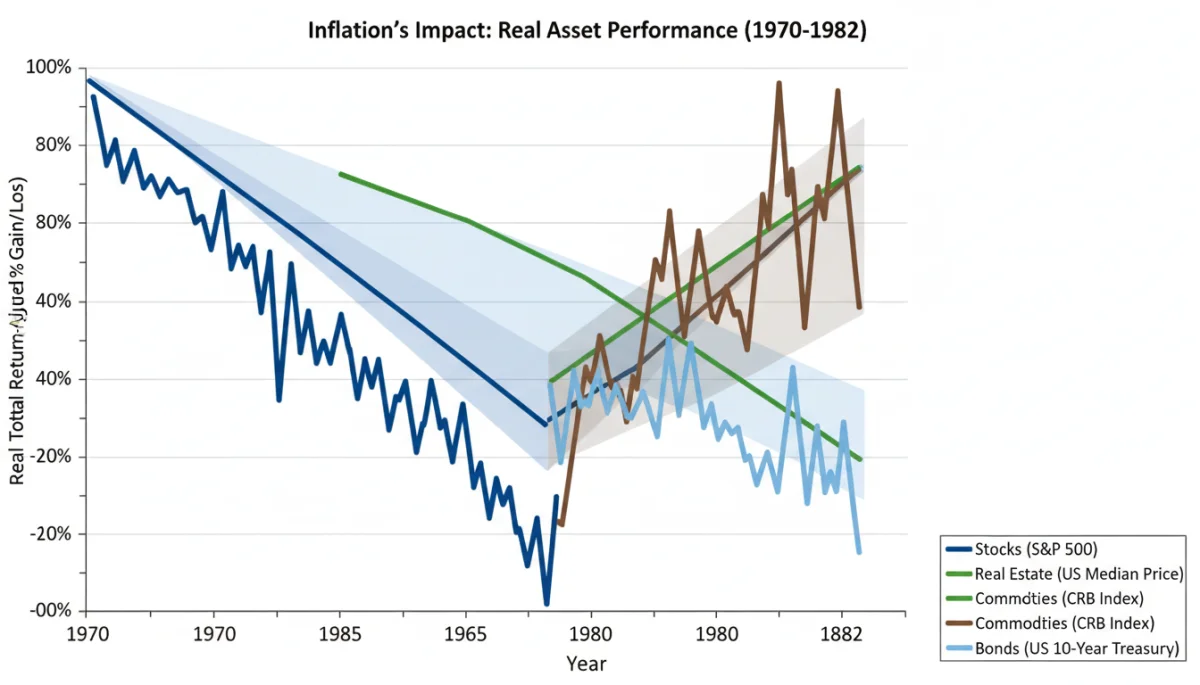
While often perceived as riskier than fixed-income assets, certain equities and dividend stocks can serve as effective inflation hedges. The key lies in identifying companies that possess pricing power—the ability to raise their prices without significantly impacting demand—and those that consistently pay and grow their dividends. Such companies can often pass on increased costs to consumers, thus maintaining their profit margins even as inflation rises.
Companies with strong brand recognition, essential products or services, or those operating in industries with high barriers to entry are more likely to exhibit pricing power. Their ability to generate consistent earnings growth can translate into capital appreciation and growing dividends for investors, effectively offsetting the erosive effects of inflation.
Identifying Inflation-Resistant Companies
When selecting equities for inflation hedging, focus on businesses that are not heavily reliant on volatile commodity prices or those with high operating leverage. Instead, look for companies that can adapt to changing economic conditions and maintain robust cash flows. Sectors such as consumer staples, healthcare, and utilities often demonstrate resilience during inflationary periods.
Strong balance sheets and low debt levels are also crucial indicators of a company’s ability to withstand economic pressures. Companies with less debt are less exposed to rising interest rates, which often accompany inflation.
The Role of Dividend Growth Stocks
Dividend growth stocks are particularly appealing during inflationary times. Companies that consistently increase their dividends over time can provide a growing income stream that helps combat the rising cost of living. This consistent growth in payouts acts as a natural inflation adjustment for investors’ income.
- Pricing Power: Companies able to raise prices without losing customers.
- Essential Services: Businesses providing goods and services people cannot do without.
- Strong Cash Flow: Indicates a company’s ability to generate earnings and support dividend payments.
- Dividend Growth: Provides an increasing income stream that can outpace inflation.
Investing in a diversified portfolio of such companies can offer both capital appreciation and inflation-adjusted income, making equities a dynamic component of an overall inflation hedging strategy.
Diversification and Alternative Investments
A well-rounded approach to inflation hedging extends beyond traditional asset classes to include strategic diversification and a careful consideration of alternative investments. Relying solely on one type of asset, no matter how robust, can expose a portfolio to unnecessary risk. Diversification across various asset classes, each with its own inflation-hedging characteristics, provides a more resilient defense.
Alternative investments, which often fall outside the conventional categories of stocks, bonds, and cash, can offer unique benefits during inflationary periods. These can include private equity, venture capital, hedge funds, and even collectibles or art, though the latter often come with higher risks and require specialized knowledge.
Strategic Asset Allocation
The goal of strategic asset allocation is to create a portfolio that performs well in a variety of economic environments, including those marked by high inflation. This involves carefully weighing the proportion of your investments in stocks, bonds, real estate, commodities, and other assets based on your risk tolerance, time horizon, and financial goals.
Regularly rebalancing your portfolio ensures that you maintain your desired asset allocation and take profits from overperforming assets while adding to underperforming ones, which can be crucial for adapting to changing inflationary pressures.
Exploring Alternative Investments
While some alternative investments are only accessible to accredited investors, others are becoming more mainstream. For instance, infrastructure investments, such as toll roads, utilities, and communication networks, can offer stable, inflation-linked returns due to their essential nature and often regulated pricing structures.
- Private Equity: Investing in private companies can offer higher growth potential, often less correlated with public markets.
- Hedge Funds: Employ diverse strategies to generate returns, some explicitly designed for inflation protection.
- Infrastructure: Provides stable, long-term cash flows often linked to inflation.
- Collectibles: Tangible assets like art, rare coins, or classic cars can appreciate in value, but require expert knowledge.
It is important to remember that alternative investments often come with higher fees, lower liquidity, and greater complexity. Thorough research and professional advice are essential before committing to these less conventional strategies. However, when integrated thoughtfully, they can significantly enhance a portfolio’s ability to withstand inflationary pressures.
Financial Planning and Personal Strategies for 2026
Beyond investment choices, effective financial planning and personal strategies are crucial components of any comprehensive approach to inflation hedging for 2026. This involves managing debt, optimizing income, and adapting spending habits to maintain financial stability and purchasing power. A holistic view of your finances is essential to truly protect your wealth.
One of the most immediate impacts of inflation is on the cost of living. Therefore, reviewing and adjusting your personal budget to account for rising expenses is a fundamental step. This might involve cutting discretionary spending, seeking ways to reduce fixed costs, or finding opportunities to increase income.
Managing Debt in an Inflationary Environment
High inflation can be a double-edged sword for debt. While the real value of fixed-rate debt diminishes over time, variable-rate debt can become significantly more expensive as interest rates rise in response to inflation. Prioritizing the repayment of high-interest, variable-rate debts can be a wise strategy to mitigate this risk.
- Fixed-Rate Debt: Its real burden lessens with inflation, but still requires careful management.
- Variable-Rate Debt: Becomes more expensive as interest rates climb; prioritize repayment.
- Refinancing: Consider locking in lower fixed rates if available, especially for mortgages.
Optimizing Income and Spending Habits
Increasing your income streams can directly counteract the effects of inflation. This could involve negotiating salary increases, pursuing side hustles, or investing in skills development to enhance your earning potential. On the spending side, becoming a more conscious consumer and seeking value can help stretch your budget further.
Consider the long-term impact of inflation on major purchases, such as a home or car. Saving a larger down payment or opting for more energy-efficient models can reduce future inflationary pressures on your household budget. Proactive financial planning allows you to adapt to economic changes rather than react to them.
Ultimately, personal financial strategies, combined with smart investment choices, form a robust defense against inflation. Regular review of your financial plan, staying informed about economic trends, and making disciplined decisions will position you favorably to protect and grow your wealth through 2026 and beyond.
| Key Strategy | Brief Description |
|---|---|
| Real Estate Investment | Tangible asset with appreciating value and rising rental income during inflation. |
| Commodities Exposure | Raw materials like gold and oil tend to increase in price with inflation. |
| TIPS and I Bonds | Government-issued securities explicitly designed to adjust for inflation. |
| Dividend Growth Stocks | Companies with pricing power and consistently growing dividends can outperform. |
Frequently Asked Questions About Inflation Hedging
The primary goal of inflation hedging is to protect the real purchasing power of your wealth from erosion caused by rising prices. It aims to ensure that your money retains its value over time, allowing you to maintain your lifestyle and achieve financial goals despite economic fluctuations.
Not all real estate investments are equally effective as inflation hedges. Factors like location, property type, and market demand play significant roles. While real estate generally performs well, careful selection and diversification are crucial to maximize its inflation-protective benefits.
TIPS (Treasury Inflation-Protected Securities) and I Bonds directly adjust their principal value or interest rate based on changes in the Consumer Price Index (CPI). This mechanism ensures that the returns on these government-backed securities keep pace with inflation, preserving your investment’s purchasing power.
Yes, certain stocks can be effective inflation hedges, particularly those of companies with strong pricing power, essential products, and consistent dividend growth. These businesses can often pass on increased costs to consumers and maintain profitability, thereby protecting investor capital and income.
Diversification is crucial because no single asset class is a perfect inflation hedge in all economic scenarios. By spreading investments across various assets like real estate, commodities, TIPS, and equities, you reduce overall risk and enhance the portfolio’s resilience against different inflationary pressures.
Conclusion
Navigating the economic landscape towards 2026 demands a proactive and informed approach to wealth preservation. The various inflation hedging strategies for 2026 discussed, from tangible assets like real estate and commodities to government-backed securities like TIPS and I Bonds, and carefully selected equities, offer robust pathways to protect your purchasing power. Diversification remains the cornerstone of any resilient portfolio, ensuring that your investments are well-positioned to withstand the unpredictable nature of inflation. By integrating these strategies with sound personal financial planning, individuals can confidently navigate future economic shifts and safeguard their financial well-being in the dynamic US economy.
Autor