2026 Fed Rate Hikes: Q3 Investment Impact Analysis
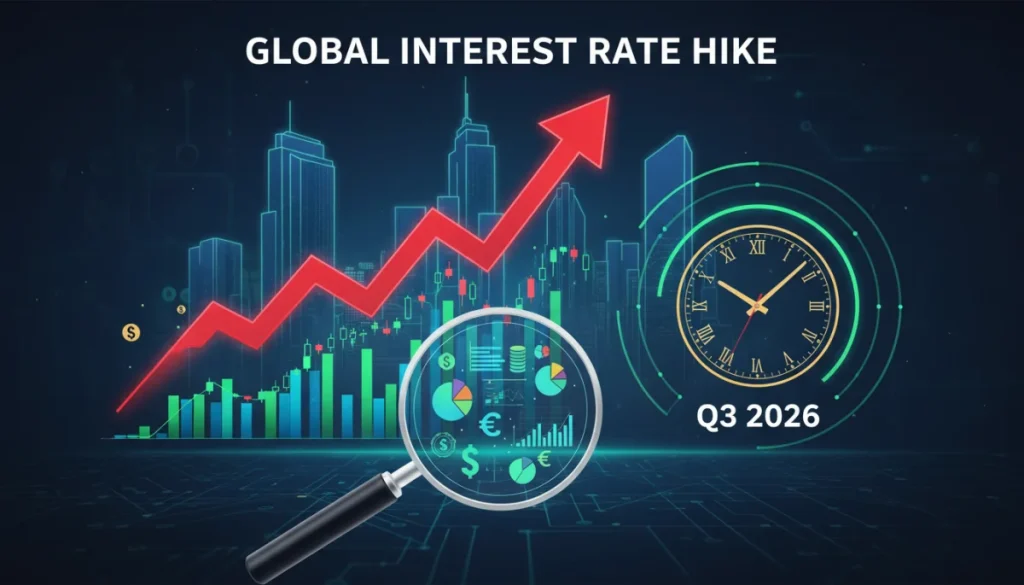
Strategic adjustments to investment portfolios will be crucial to navigate the Federal Reserve’s anticipated interest rate hikes in Q3 2026 effectively.
As we look towards the third quarter of 2026, understanding the potential ramifications of the Federal Reserve’s anticipated interest rate hikes becomes paramount for every investor. Navigating the 2026 Federal Reserve Interest Rate Hikes: A Q3 Impact Analysis for Your Investments is not merely an academic exercise; it is a critical assessment of how these policy shifts could redefine market dynamics and influence your financial well-being. This analysis aims to equip you with the foresight needed to strategically position your portfolio.
Understanding the Federal Reserve’s Mandate and 2026 Projections
The Federal Reserve operates under a dual mandate: to foster maximum employment and maintain price stability. These objectives often guide its decisions on interest rates, which are powerful tools for influencing economic activity. In 2026, particularly heading into Q3, projections suggest a continued hawkish stance as the Fed aims to anchor inflation expectations firmly.
Historically, the Fed has adjusted interest rates in response to various economic indicators, including inflation rates, unemployment figures, and GDP growth. The anticipated hikes in 2026 are largely a preemptive measure to cool down an overheating economy, ensuring that inflation does not become entrenched. This proactive approach is designed to prevent more drastic interventions down the line, but it inherently introduces volatility into financial markets.
The inflation-fighting imperative
Inflation, if left unchecked, erodes purchasing power and destabilizes economic growth. The Fed’s commitment to price stability means that if inflationary pressures persist or re-emerge, further rate increases are highly probable. Investors must recognize that these decisions are not arbitrary but are carefully calculated responses to complex economic data.
- Monitoring CPI: Consumer Price Index reports will be crucial indicators.
- Wage Growth: Sustained high wage growth can signal persistent inflation.
- Supply Chain Resilience: Improvements or disruptions heavily influence pricing.
- Geopolitical Factors: Global events continue to exert significant inflationary pressure.
The Fed’s communication strategy around these rate hikes will also be key. Clear guidance helps markets anticipate moves, while ambiguity can exacerbate uncertainty. Investors should pay close attention to official statements, meeting minutes, and speeches from Fed officials to gauge the likely trajectory of monetary policy.
In essence, the 2026 landscape is shaped by the Fed’s ongoing battle against inflation, a battle that directly translates into higher borrowing costs and a re-evaluation of asset valuations across the board. Understanding this fundamental driver is the first step in preparing your investments for the shifts ahead.
Impact on Fixed Income Investments: Bonds and Beyond
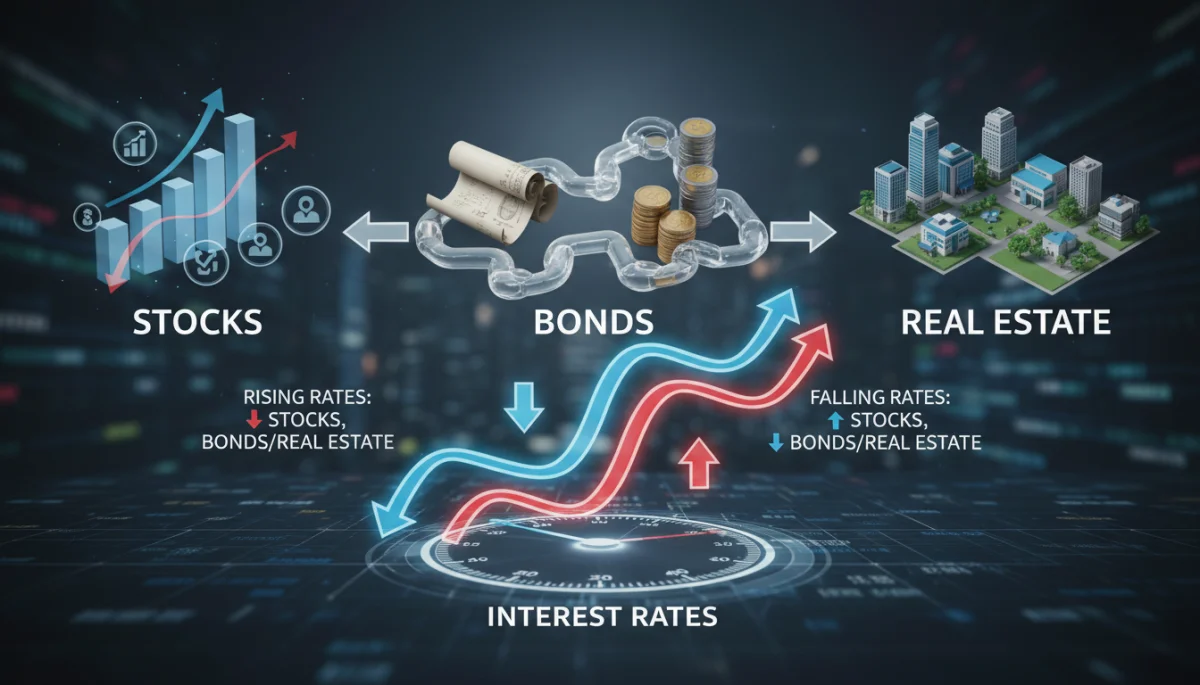
Fixed income investments, particularly bonds, are exquisitely sensitive to interest rate changes. As the Federal Reserve raises rates, newly issued bonds typically offer higher yields, making older, lower-yielding bonds less attractive. This dynamic causes the market value of existing bonds to fall, presenting a challenge for bondholders.
For investors holding long-duration bonds, the impact can be more pronounced. Longer-duration bonds have greater interest rate sensitivity, meaning their prices fluctuate more significantly with changes in rates. Short-duration bonds, conversely, tend to be less affected, offering a degree of refuge in a rising rate environment. This is a critical distinction for portfolio management.
Strategies for bond portfolios
In anticipation of further rate hikes in Q3 2026, investors might consider adjusting their fixed income allocations. A common strategy involves shortening the duration of their bond portfolios, shifting from long-term bonds to short-term alternatives. This reduces exposure to interest rate risk, though it may also temper overall yield potential.
- Short-term bond funds: Offer lower duration and reduced volatility.
- Floating-rate notes: Their interest payments adjust with market rates, protecting principal.
- Treasury Inflation-Protected Securities (TIPS): Provide protection against inflation, though their real yield can still be impacted.
- Diversification with credit: Exploring high-quality corporate bonds with strong balance sheets.
Beyond traditional bonds, other fixed income alternatives warrant consideration. Money market accounts and certificates of deposit (CDs) will likely offer more attractive yields as rates climb, providing safer, albeit lower-growth, options for cash reserves. However, investors must weigh the increased yield against the opportunity cost of not investing in potentially higher-growth assets.
The key takeaway for fixed income is that a rising rate environment necessitates active management and a re-evaluation of traditional bond strategies. Simply holding onto existing positions without adjustment could lead to capital losses, diminishing the defensive role fixed income typically plays in a diversified portfolio.
Equity Markets: Sectoral Shifts and Growth Stock Headwinds
The equity market’s reaction to rising interest rates is multifaceted, often leading to distinct performance differences across sectors. Growth stocks, which rely heavily on future earnings projections, tend to be more vulnerable. Higher interest rates increase the discount rate used to value these future earnings, making them less valuable in present terms.
Conversely, value stocks, typically characterized by stable earnings and strong dividends, may prove more resilient. These companies often operate in mature industries and are less dependent on future growth, making them less sensitive to changes in discount rates. Financials, in particular, can benefit from rising rates as banks earn more on their lending activities.
Navigating growth versus value
Investors in Q3 2026 might find themselves rebalancing their portfolios, potentially shifting some allocation from high-flying growth stocks to more stable value-oriented companies. This isn’t a call to abandon growth entirely, but rather to assess the risk-reward profile more carefully in a higher interest rate environment.
- Technology stocks: Often heavily weighted towards growth, may face headwinds.
- Healthcare: A defensive sector, can offer stability.
- Utilities: Known for stable dividends and defensive characteristics.
- Consumer staples: Tend to perform well in various economic conditions.
Furthermore, companies with high levels of debt will face increased borrowing costs, which can eat into profit margins and affect their ability to invest in future growth. Investors should scrutinize balance sheets for robust financial health and manageable debt loads. Companies with strong free cash flow and low debt are better positioned to weather rising rates.
The overall market sentiment will also play a significant role. While higher rates can dampen enthusiasm for speculative investments, they can also signal a healthy, growing economy that supports corporate earnings. The challenge for equity investors is to discern which companies and sectors are best equipped to thrive under these evolving conditions.
Real Estate and Alternative Investments: A Shifting Landscape
Real estate, particularly residential and commercial properties, is highly sensitive to interest rates. Higher mortgage rates translate to increased borrowing costs for homebuyers and developers, potentially cooling down housing markets and impacting property valuations. In Q3 2026, a sustained period of rate hikes could lead to a slowdown in transactions and price appreciation.
For existing homeowners with fixed-rate mortgages, the direct impact is minimal, but those with adjustable-rate mortgages (ARMs) could see their monthly payments rise significantly. Commercial real estate might also experience reduced demand for new developments and pressure on capitalization rates, affecting property income and valuations.
Exploring alternative asset classes
In this environment, alternative investments can offer diversification and potentially uncorrelated returns. These include commodities, private equity, hedge funds, and even certain digital assets. However, each comes with its own set of risks and liquidity considerations.
- Commodities: Can act as an inflation hedge, but prices are volatile.
- Private equity: Offers exposure to privately held companies, but with illiquidity.
- Hedge funds: Aim for absolute returns regardless of market direction, but fees are high.
- Infrastructure investments: Provide stable, long-term cash flows, often inflation-linked.
For investors considering real estate, a shift from direct property ownership to Real Estate Investment Trusts (REITs) might be a more liquid option. However, REITs can also be sensitive to interest rate changes, as their valuations are often tied to dividend yields and underlying property values. Diligent research into specific REIT sectors and their debt profiles is crucial.
The key is to understand that while higher rates generally pose challenges for traditional real estate, opportunities might still exist in specific niches or through strategic asset allocation. Alternative investments, while complex, can provide valuable diversification against traditional market downturns induced by monetary policy shifts.
Personal Finance and Debt Management Strategies
Beyond investment portfolios, the Federal Reserve’s interest rate hikes in Q3 2026 will have a tangible impact on personal finances and debt management. Consumers with variable-rate debt, such as credit card balances, home equity lines of credit (HELOCs), and certain student loans, will likely see their interest payments increase. This can strain household budgets and reduce disposable income.
For those looking to borrow, whether for a new home purchase, a car, or other significant expenses, loans will become more expensive. This increased cost of capital can deter new borrowing and slow down consumer spending, which is a primary objective of the Fed’s tightening policy. Prudent financial planning becomes even more critical in such an environment.
Optimizing personal debt
Proactive debt management is essential. Prioritizing the repayment of high-interest, variable-rate debt can save significant money over time. Consolidating debt into a fixed-rate loan, if available and advantageous, can also provide predictability and protection against future rate increases.
- Pay down credit card debt: Often the highest interest, variable-rate debt.
- Refinance ARMs: Consider converting to fixed-rate mortgages if rates are still favorable.
- Build an emergency fund: Essential for financial resilience against unexpected expenses.
- Review HELOCs: Understand how rate changes will affect monthly payments.
Saving strategies also need adjustment. While higher interest rates mean higher returns on savings accounts and CDs, the rising cost of living due to inflation might still outpace these gains. Consumers should explore high-yield savings accounts and consider laddering CDs to lock in better rates for future periods.
Ultimately, the objective is to minimize the negative impact of rising rates on personal budgets and maximize the benefits from increased savings yields. This requires a disciplined approach to spending, saving, and debt repayment, ensuring financial stability amidst evolving economic conditions.
Strategic Portfolio Adjustments for 2026 Q3 and Beyond
As we approach Q3 2026, making informed and strategic adjustments to your investment portfolio is not just recommended, it’s essential. The Federal Reserve’s anticipated interest rate hikes will create both challenges and opportunities, and a well-thought-out strategy can help mitigate risks while capitalizing on new market dynamics. Diversification remains a cornerstone of sound investing, but its application needs to be nuanced in this environment.
Consider re-evaluating your risk tolerance. A rising rate environment can introduce greater volatility, and understanding your comfort level with potential fluctuations is crucial. This might mean adjusting your allocation between equities, fixed income, and alternative assets to better align with your personal financial goals and risk profile.
Key considerations for investors
A proactive stance involves not only reacting to the Fed’s moves but also anticipating their secondary effects on different asset classes. For instance, while growth stocks might face headwinds, certain sectors within technology, like cybersecurity or AI infrastructure, could still demonstrate resilience due to strong underlying demand.
- Rebalance portfolios: Regularly review and adjust asset allocation.
- Focus on quality: Invest in companies with strong fundamentals and pricing power.
- Consider dividend stocks: Offer income and potential for capital appreciation.
- Stay informed: Continuously monitor economic data and Fed communications.
- Consult a financial advisor: Professional guidance can be invaluable for complex decisions.
Furthermore, maintaining liquidity is paramount. Having a portion of your assets readily accessible can provide flexibility to seize opportunities that arise from market dislocations or to cover unexpected expenses without having to sell investments at unfavorable times. Cash, in a rising rate environment, becomes a more attractive asset.
The 2026 Q3 interest rate environment demands a dynamic and adaptive investment approach. By understanding the forces at play, meticulously reviewing your current holdings, and being prepared to make strategic adjustments, you can navigate these monetary policy shifts with greater confidence and work towards securing your financial future.
| Key Impact Area | Brief Description of Q3 2026 Effect |
|---|---|
| Fixed Income | Bond prices may fall, new bonds offer higher yields. Shorten duration. |
| Equity Markets | Growth stocks face headwinds; value stocks and financials may outperform. |
| Real Estate | Higher mortgage rates could cool housing markets and impact property values. |
| Personal Finance | Increased cost for variable-rate debt and new loans. Prioritize debt repayment. |
Frequently asked questions about 2026 Fed rate hikes
The Federal Reserve primarily raises rates to combat inflation and maintain price stability. If economic growth remains robust and inflation persists or re-emerges, rate hikes in Q3 2026 would be a proactive measure to cool down the economy and prevent overheating, aligning with their dual mandate.
As interest rates rise, the market value of existing bonds with lower yields typically decreases. This impact is more pronounced for long-duration bonds. Investors might consider shifting to shorter-duration bonds, floating-rate notes, or high-quality corporate bonds to mitigate interest rate risk in their fixed-income portfolios.
In a rising rate environment, value stocks often perform better than growth stocks. Growth stocks are more sensitive to higher discount rates applied to their future earnings, making them less attractive. Value stocks, with stable earnings and dividends, tend to be more resilient as they are less reliant on future growth projections.
If you have variable-rate debt, such as credit card balances or HELOCs, your interest payments will likely increase. It is advisable to prioritize paying down these high-interest debts. Consider consolidating into a fixed-rate loan if possible, to lock in a predictable payment and avoid further increases.
To prepare, rebalance your portfolio to align with your risk tolerance, potentially increasing exposure to value stocks, short-duration bonds, or certain alternative assets. Focus on companies with strong fundamentals and manageable debt. Maintaining liquidity and consulting a financial advisor for personalized guidance are also crucial steps.
Conclusion
The anticipated Federal Reserve interest rate hikes in Q3 2026 are poised to significantly influence the financial landscape, demanding a proactive and informed approach from investors. From the recalibration of fixed income portfolios to the strategic re-evaluation of equity and real estate holdings, understanding these shifts is crucial. By adopting a disciplined approach to portfolio management, focusing on quality assets, and prioritizing sound personal finance strategies, individuals can navigate these economic currents with greater confidence, transforming potential challenges into opportunities for resilient financial growth.
Autor