Farm Bill 2026: $50 Billion Subsidies & Support
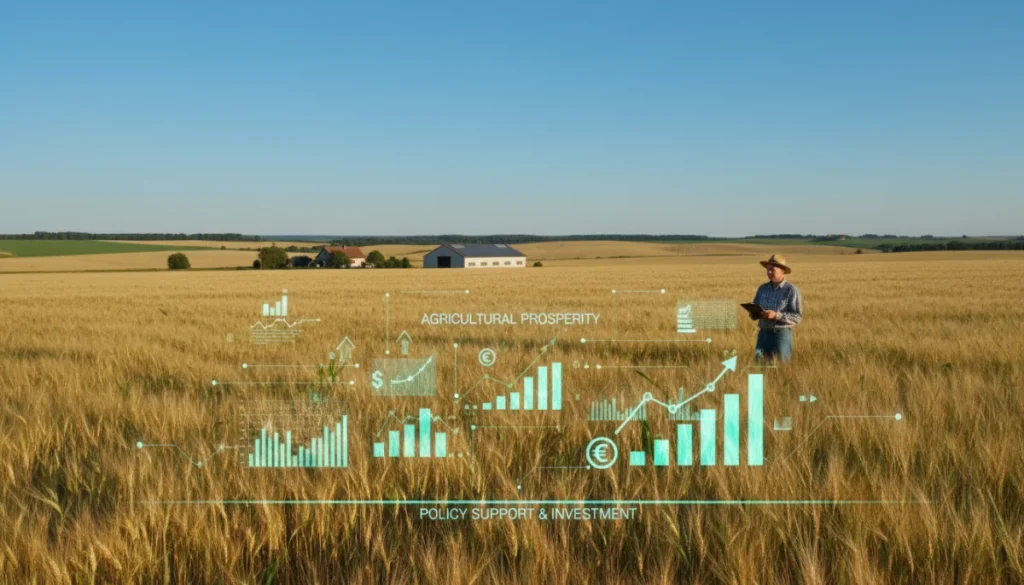
The New Farm Bill for 2026 proposes a substantial $50 billion in subsidies and support, aiming to stabilize farmer incomes, promote conservation, and ensure food security across the United States.
The impending
Understanding the Farm Bill’s Core Objectives
The Farm Bill is far more than just a piece of legislation; it’s a foundational framework that influences nearly every aspect of food production and land stewardship in the United States. Its core objectives typically revolve around ensuring food security, stabilizing agricultural markets, and promoting environmental conservation. The 2026 iteration, with its proposed $50 billion allocation, seeks to reinforce these pillars while adapting to contemporary challenges.
At its heart, the Farm Bill aims to provide a safety net for farmers. Agriculture is inherently susceptible to unpredictable weather patterns, fluctuating commodity prices, and global market dynamics. Without effective policy, many farming operations would struggle to remain viable, leading to instability in food supply and rural economies. The upcoming bill intends to strengthen these vital support mechanisms.
Historical Context and Evolution
The Farm Bill has a rich history, evolving significantly since its inception during the Great Depression. Early versions primarily focused on price supports and supply management to combat economic hardship. Over the decades, its scope expanded to include nutrition assistance, conservation programs, and rural development initiatives. Each new bill reflects the prevailing agricultural, economic, and social concerns of its time.
- Early 20th Century: Focused on stabilizing commodity prices and preventing rural poverty.
- Mid-20th Century: Introduced broader programs like food stamps, linking agriculture to nutrition.
- Late 20th/Early 21st Century: Emphasized conservation, risk management, and international trade.
The 2026 Farm Bill continues this tradition of adaptation. It addresses modern concerns such as climate change resilience, technological advancements in farming, and the increasing demand for sustainable practices. The $50 billion in subsidies and support is not merely a number; it represents a strategic investment in the future of American agriculture.
In essence, understanding the Farm Bill’s core objectives requires recognizing its dual role: supporting the economic viability of farming and safeguarding the environmental health of agricultural lands. The 2026 bill is poised to continue this balancing act, with a renewed focus on long-term sustainability and resilience for the sector.
Key Components of the $50 Billion Allocation
The proposed $50 billion in subsidies and support within the 2026 Farm Bill is a substantial investment, strategically distributed across various programs designed to benefit different facets of the agricultural sector. This allocation reflects a comprehensive approach to addressing the diverse needs of American farmers and rural communities. Understanding where these funds are directed provides insight into the bill’s priorities.
A significant portion of the funding is typically earmarked for commodity programs. These programs provide direct payments, price loss coverage, and revenue protection to producers of staple crops like corn, soybeans, wheat, and cotton. The goal is to buffer farmers against market volatility and natural disasters, ensuring a stable income stream that is crucial for their operations’ continuity.
Conservation and Environmental Stewardship
Beyond direct economic support, a substantial part of the $50 billion is dedicated to conservation programs. These initiatives encourage farmers to adopt practices that protect natural resources, improve soil health, conserve water, and enhance wildlife habitats. Programs such as the Environmental Quality Incentives Program (EQIP) and the Conservation Reserve Program (CRP) are vital for promoting sustainable agriculture.
- Environmental Quality Incentives Program (EQIP): Provides financial and technical assistance to implement conservation practices.
- Conservation Reserve Program (CRP): Pays farmers to remove environmentally sensitive land from production and plant species that improve environmental quality.
- Regional Conservation Partnership Program (RCPP): Leverages federal funding with partner contributions to address regional conservation priorities.
These conservation efforts are not just about environmental protection; they also contribute to the long-term productivity and resilience of agricultural lands, benefiting farmers directly by reducing input costs and improving resource efficiency. The 2026 bill is expected to enhance these programs, potentially introducing new incentives for climate-smart agriculture practices.
Furthermore, the bill also addresses rural development, providing funding for infrastructure, broadband access, and economic diversification in agricultural communities. This holistic approach recognizes that the well-being of farmers is intertwined with the vitality of their surrounding regions. The $50 billion allocation is therefore a multi-faceted investment, targeting both immediate financial stability and long-term sustainability across the agricultural landscape.

Impact on Farmers: Stability and Innovation
The New Farm Bill for 2026, with its substantial $50 billion in subsidies and support, is expected to have a profound impact on American farmers. The primary goal is to provide a much-needed layer of stability in an industry often characterized by unpredictability. This stability is crucial for farmers to make long-term investment decisions, plan for future seasons, and manage the inherent risks of agriculture.
For many small and medium-sized farms, these subsidies can mean the difference between staying in business and facing closure. Direct payments and risk management tools help buffer against low market prices, crop failures due to adverse weather, and rising production costs. This financial security allows farmers to focus on optimizing their operations rather than constantly worrying about economic survival.
Fostering Agricultural Innovation
Beyond financial stability, the 2026 Farm Bill is also poised to be a catalyst for innovation in agriculture. By dedicating funds to research, development, and the adoption of new technologies, the bill encourages farmers to embrace more efficient and sustainable practices. This includes advancements in precision agriculture, biotechnology, and renewable energy on farms.
- Precision Agriculture: Utilizing GPS, sensors, and data analytics to optimize planting, fertilizing, and harvesting.
- Biotechnology: Developing drought-resistant crops or those requiring fewer pesticides, enhancing yields and sustainability.
- Renewable Energy: Incentivizing the adoption of solar panels or wind turbines on farms to reduce energy costs and carbon footprint.
These innovations are not just about increasing yields; they are also about building resilience against climate change and reducing the environmental footprint of farming. The bill’s support for research institutions and extension services ensures that farmers have access to the latest scientific knowledge and practical guidance to implement these new approaches effectively.
Ultimately, the impact on farmers is multifaceted. It’s about providing a safety net that allows them to weather economic storms, while simultaneously empowering them to innovate and adapt to a changing world. The $50 billion investment is designed to secure the livelihoods of farmers and ensure the continued vibrancy of America’s agricultural sector for generations to come.
Consumer Benefits and Food Security
While the Farm Bill primarily focuses on agricultural producers, its effects ripple throughout the entire food system, bringing significant benefits to consumers and enhancing national food security. The stability provided to farmers through subsidies and support directly translates into a more reliable and affordable food supply for everyone. When farmers can consistently produce, shelves remain stocked, and prices remain relatively stable.
One of the most direct benefits to consumers comes through the nutrition assistance programs, such as the Supplemental Nutrition Assistance Program (SNAP), which are typically a large component of the Farm Bill. These programs ensure that low-income families have access to nutritious food, reducing food insecurity and improving public health outcomes across the nation.
Ensuring a Stable and Diverse Food Supply
The investment in agricultural research and development, supported by the Farm Bill, also contributes to consumer benefits. Innovations in crop varieties, pest management, and cultivation techniques lead to higher quality, more diverse, and often more affordable food options. This continuous improvement in agricultural practices helps to meet evolving consumer demands and preferences.
- Reliable Supply: Subsidies help prevent widespread crop failures from translating into food shortages.
- Affordable Prices: Stable production often leads to more predictable and lower food prices over time.
- Diverse Options: Support for various commodities ensures a wide range of food products are available.
- Food Safety: Research funding can also contribute to improved food safety standards and practices.
Furthermore, the conservation components of the Farm Bill indirectly benefit consumers by promoting sustainable practices that protect the environment. Healthy soil and clean water are essential for long-term food production, meaning that current conservation efforts safeguard the ability to feed future generations. This long-term perspective on resource management is critical for enduring food security.
In conclusion, the 2026 Farm Bill’s $50 billion allocation is not just for farmers; it’s an investment in the entire food chain, from farm to fork. It underpins the availability of safe, affordable, and nutritious food for American consumers, while also addressing the critical issue of food insecurity through its comprehensive range of programs.
Economic Implications and Rural Development
The proposed $50 billion for the 2026 Farm Bill carries substantial economic implications, extending far beyond the farm gate. This massive investment is a critical driver of economic activity in rural America, supporting a wide array of industries that depend on a healthy agricultural sector. From equipment manufacturers and seed suppliers to transportation and food processing, the ripple effect is profound.
Farm subsidies and support programs inject capital directly into rural economies, stimulating local businesses and creating jobs. When farmers have stable incomes, they are more likely to invest in their operations, purchase new equipment, and support local services, fostering a robust economic environment in regions that often face unique challenges.
Strengthening Rural Communities
Beyond direct agricultural support, the Farm Bill traditionally includes provisions for rural development. These programs aim to improve the quality of life in rural areas by funding essential services and infrastructure. The 2026 bill is expected to continue this trend, with investments possibly targeting:
- Broadband Expansion: Critical for modern farming, education, and remote work in rural areas.
- Rural Housing: Programs to ensure affordable and safe housing options for rural residents.
- Water and Wastewater Systems: Essential infrastructure projects to support community health and development.
- Renewable Energy Projects: Promoting sustainable energy solutions for rural businesses and homes.
These investments are vital for preventing rural depopulation and ensuring that these communities remain vibrant and economically competitive. By supporting infrastructure and essential services, the Farm Bill helps to bridge the gap between rural and urban opportunities, creating a more equitable national landscape.
The economic impact is also felt through trade. A stable and productive agricultural sector allows the U.S. to be a major player in global food markets, contributing to the national balance of trade. The $50 billion investment reinforces this position, ensuring that American agriculture remains competitive on an international scale. In essence, the Farm Bill is a powerful tool for economic stability and growth, particularly for the rural heartland of the United States.
Challenges and Debates Surrounding the New Bill
While the prospect of a $50 billion Farm Bill for 2026 brings optimism, it also ignites considerable debate and scrutiny. Crafting such a comprehensive piece of legislation is inherently complex, involving diverse stakeholders with often conflicting interests. The challenges typically revolve around budget constraints, program effectiveness, and the equitable distribution of benefits.
One of the primary points of contention is always the budget itself. With a $50 billion price tag, questions arise about fiscal responsibility and whether the funds are being allocated in the most efficient manner. Critics often argue that some subsidies may disproportionately benefit larger agricultural operations or specific commodities, potentially at the expense of smaller farms or emerging agricultural sectors.
Addressing Equity and Sustainability
Debates also frequently focus on the balance between production-focused subsidies and conservation programs. While all agree on the importance of sustainability, there are differing views on how best to incentivize environmentally friendly practices without hindering agricultural productivity. The 2026 bill is likely to face calls for stronger climate provisions and greater support for organic and regenerative farming methods.
- Equity Concerns: Ensuring that benefits reach a broad spectrum of farmers, including historically underserved groups.
- Conservation Effectiveness: Debates over the impact and reach of environmental programs.
- Market Distortion: Arguments that subsidies can distort market signals and international trade.
- Program Efficiency: Scrutiny over administrative costs and the overall effectiveness of various programs.
Furthermore, the political landscape plays a significant role in shaping the Farm Bill. Lobbying efforts from various agricultural groups, environmental organizations, and consumer advocates all contribute to the legislative process. Reaching a consensus that addresses the needs of all parties while navigating budgetary realities is a formidable task for policymakers.
In summary, the New Farm Bill for 2026, despite its significant funding, will undoubtedly be subject to intense debate regarding its structure, beneficiaries, and long-term impacts. These discussions are crucial for ensuring that the final legislation is robust, fair, and effectively serves the complex needs of American agriculture and society.
| Key Aspect | Brief Description |
|---|---|
| Total Funding | $50 billion allocated for subsidies and support programs. |
| Farmer Stability | Aims to stabilize incomes and provide risk management. |
| Conservation Efforts | Significant investment in sustainable agriculture and environmental stewardship. |
| Rural Development | Funds for infrastructure, broadband, and economic growth in rural areas. |
Frequently Asked Questions About the 2026 Farm Bill
The primary purpose of the New Farm Bill for 2026 is to provide a comprehensive framework for U.S. agricultural policy, allocating $50 billion to support farmer incomes, promote conservation, ensure food security, and foster rural development across the nation.
The $50 billion in subsidies will primarily stabilize farmer incomes through commodity programs and risk management tools. This financial security allows farmers to invest in their operations, adopt new technologies, and manage unpredictable market fluctuations and environmental challenges more effectively.
Yes, consumers benefit directly through nutrition assistance programs like SNAP, which are typically part of the Farm Bill. Additionally, stable agricultural production supported by the bill leads to a more reliable, diverse, and affordable food supply, enhancing national food security for all.
Conservation is a major component, with significant funding dedicated to programs that incentivize sustainable farming practices. These initiatives aim to improve soil health, conserve water, protect wildlife habitats, and build agricultural resilience against climate change, benefiting both farmers and the environment.
Key challenges include navigating budget constraints, ensuring equitable distribution of benefits across different farm sizes and commodities, and balancing production needs with environmental sustainability goals. Debates also arise over market impacts and program efficiency.
Conclusion
The New Farm Bill for 2026, with its proposed $50 billion in subsidies and support, stands as a critical legislative effort to shape the future of American agriculture. This comprehensive policy aims to provide a robust safety net for farmers, foster innovation, enhance food security for consumers, and drive economic growth in rural communities. While debates surrounding its specifics are inevitable, the bill’s overarching commitment to a resilient, sustainable, and productive agricultural sector underscores its profound importance for the nation’s well-being. Its implementation will undoubtedly mark a new chapter in how the United States supports its farmers and feeds its people.
Autor