2026 Job Market: Financial Impact on US Households
The 2026 US Job Market will be shaped by rapid technological advancements and shifting economic paradigms, directly influencing household financial well-being and necessitating proactive adaptation.
As we approach 2026, the landscape of employment in the United States continues its rapid evolution, presenting both unprecedented opportunities and significant challenges for millions of households. Understanding the 2026 US Job Market is not just about career planning; it’s fundamentally about securing financial stability and charting a resilient course for the future.
Technological Disruptions and Emerging Industries
The year 2026 is projected to witness an accelerated pace of technological disruption, with artificial intelligence, automation, and advanced data analytics fundamentally reshaping traditional industries. These forces are not merely incremental changes but rather transformative shifts that are creating entirely new sectors while rendering some existing roles obsolete. US households must grapple with the dual reality of job displacement and the emergence of high-demand, specialized positions.
The integration of AI, for instance, is moving beyond theoretical discussions into practical applications across manufacturing, healthcare, and customer service. This widespread adoption means that jobs requiring repetitive tasks or basic data processing are increasingly susceptible to automation. However, this also opens doors to new roles focused on AI development, ethical AI oversight, and human-machine collaboration, demanding a different skill set from the workforce.
The Rise of the Green Economy
The push towards sustainability and renewable energy sources is creating a burgeoning ‘green economy.’ This sector encompasses a wide array of jobs, from renewable energy engineers and installation technicians to environmental policy analysts and sustainable urban planners. These roles often require specialized training and technical expertise, offering competitive wages and long-term career prospects.
- Renewable energy installation and maintenance
- Environmental consulting and policy development
- Sustainable agriculture and food technology
- Electric vehicle manufacturing and infrastructure
As the nation commits further to climate goals, investment in these areas will likely grow, providing a stable and expanding source of employment. Households that prepare for these roles through education and reskilling stand to benefit significantly from this economic transition.
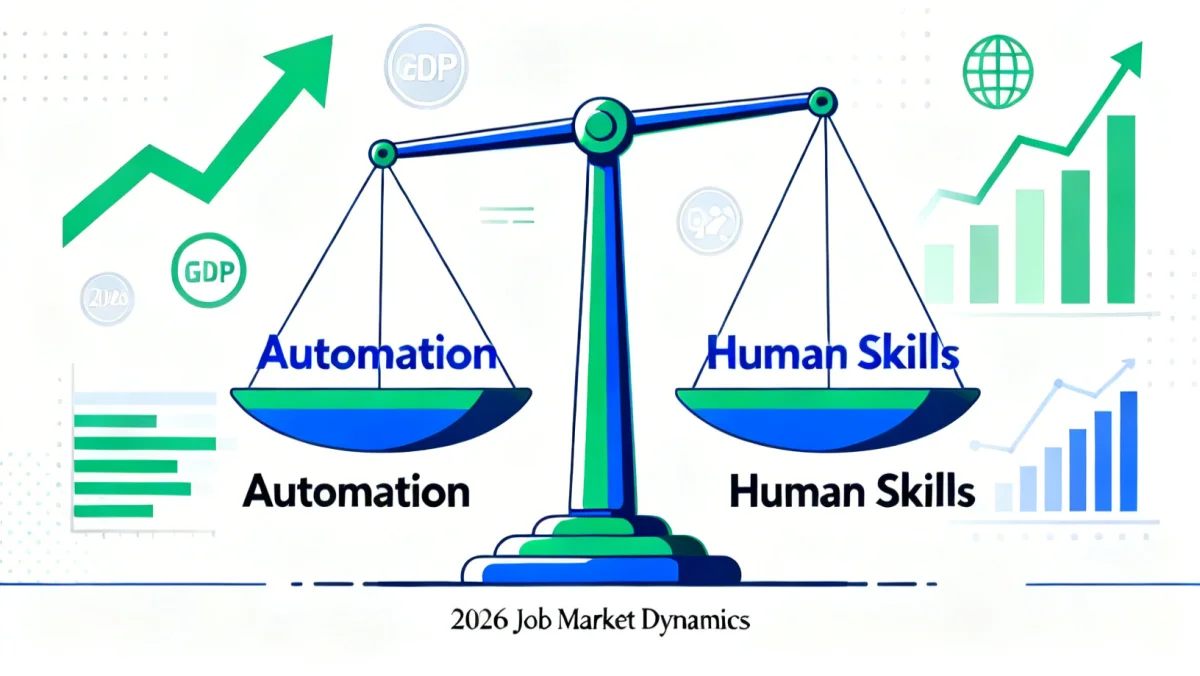
The technological shifts by 2026 are profound, creating a bifurcated job market where traditional roles are challenged by automation, while new, high-skill opportunities emerge in areas like AI and the green economy. Adapting to these changes through continuous learning and strategic career planning will be crucial for maintaining household financial health.
The Evolving Nature of Work: Remote, Gig, and Hybrid Models
The COVID-19 pandemic irrevocably altered our perceptions of work, accelerating trends towards remote and hybrid work models. By 2026, these flexible arrangements are expected to be firmly embedded in the US economy, significantly influencing work-life balance, geographic mobility, and household expenditures. The gig economy, too, continues its expansion, offering flexibility but also posing questions about stability and benefits.
Many companies have realized the benefits of reduced overheads and expanded talent pools by embracing remote work. This shift means that geographical location becomes less of a barrier for many professional roles, opening up opportunities for individuals in diverse regions. However, it also introduces new challenges related to digital infrastructure, cybersecurity, and maintaining team cohesion across distributed workforces.
Gig Economy Expansion and Financial Implications
The gig economy, characterized by temporary, flexible jobs, is projected to grow further. While it offers unparalleled flexibility and supplementary income opportunities for many US households, it often lacks the stability and benefits associated with traditional employment, such as health insurance, paid time off, and retirement plans. Individuals relying solely on gig work may face financial precarity if not adequately prepared.
- Increased demand for freelance professionals and contractors
- Greater flexibility in work schedules
- Potential for multiple income streams
- Challenges in securing full benefits and job security
Hybrid models, blending office and remote work, are also becoming a standard. This approach seeks to capture the benefits of both worlds, fostering collaboration while allowing for personal flexibility. Households must assess how these models fit into their financial planning, considering potential savings on commuting and childcare versus new expenses like home office setups.
The evolving nature of work in 2026, with its emphasis on remote, gig, and hybrid models, offers both freedom and financial considerations. While offering flexibility and diverse income opportunities, these models demand careful financial planning to ensure stability and access to essential benefits for US households.
Skill Gaps and the Imperative for Reskilling
A significant challenge in the 2026 US job market will be the widening skill gap. As industries transform and new technologies emerge, the skills required for success are rapidly changing. Many existing workers may find their current skill sets becoming outdated, necessitating a proactive approach to reskilling and upskilling to remain competitive and financially secure. This gap has direct financial implications, as those without in-demand skills may struggle to find well-paying employment.
The demand for digital literacy, data analysis, cybersecurity, and advanced technical skills is skyrocketing. Employers are increasingly seeking candidates who not only possess technical proficiency but also strong soft skills such as critical thinking, problem-solving, adaptability, and emotional intelligence. These human-centric skills are often difficult to automate and are becoming indispensable in a technology-driven world.
Government and Employer-Led Initiatives
Recognizing this challenge, both government agencies and private sector companies are investing in training and development programs. These initiatives aim to equip the current workforce with the necessary skills for future job roles, mitigating potential widespread unemployment and ensuring a robust talent pipeline. Access to these programs can be a crucial financial lifeline for many households.
- Online learning platforms and certifications
- Apprenticeship programs in emerging fields
- Employer-sponsored training and upskilling
- Community college and vocational school partnerships
For US households, actively pursuing reskilling and continuous learning will not be optional but essential. Investing time and resources into acquiring new, in-demand skills can lead to higher earning potential and greater job security, directly impacting financial resilience. Ignoring this imperative could lead to stagnation or decline in household income, making financial planning increasingly difficult.
The skill gaps in the 2026 job market highlight the critical need for continuous learning. Reskilling and upskilling are paramount for US households to maintain financial competitiveness, with numerous initiatives emerging to support this essential adaptation.
Wage Growth, Inflation, and Purchasing Power
The financial implications of the 2026 US job market extend directly to wage growth, inflation, and ultimately, the purchasing power of households. While certain high-demand sectors may see significant wage increases, broader economic factors like inflation rates will determine whether these gains translate into improved living standards or merely keep pace with rising costs. The interplay between these elements will be central to household financial health.
Economic forecasts suggest a mixed picture. Some industries, particularly those requiring specialized technical skills or those in rapidly expanding sectors like renewable energy and AI, are likely to experience strong wage growth due to talent scarcity. However, sectors undergoing significant automation or those with an oversupply of labor may see stagnant wages or even declines, creating a growing disparity in income levels across the workforce.
Inflationary Pressures and Household Budgets
Persistent inflationary pressures, driven by supply chain issues, geopolitical events, and consumer demand, could erode any nominal wage gains. For US households, this means that even if salaries increase, the cost of essential goods and services—housing, food, healthcare, and transportation—might rise at an equal or faster rate, diminishing actual purchasing power. Budgeting and strategic financial planning become even more critical in such an environment.
- Rising cost of living impacting discretionary spending
- Necessity for proactive inflation-hedging strategies
- Potential for widening income inequality
- Importance of real wage growth over nominal increases
Households need to carefully monitor economic indicators and adjust their financial strategies accordingly. This might involve negotiating for higher wages, seeking employment in higher-growth sectors, or diversifying income streams to buffer against inflationary impacts. Understanding the real value of their earnings, post-inflation, will be key to making informed financial decisions.
Wage growth in 2026 will be heavily influenced by inflation, directly affecting US household purchasing power. Strategic financial planning and seeking opportunities in high-growth sectors are vital for maintaining economic stability amidst these dynamic pressures.
The Impact on Household Debt and Savings
The financial health of US households in 2026 will be profoundly shaped by the evolving job market’s influence on debt levels and savings rates. Income stability, wage growth, and employment security directly correlate with a household’s ability to manage existing debt, accumulate savings, and invest for the future. Economic shifts can either alleviate financial burdens or exacerbate them, depending on individual circumstances and preparedness.
For households with stable employment in high-demand fields, increased income and job security can provide opportunities to reduce high-interest debt, such as credit card balances, and build emergency savings. This financial resilience is crucial for weathering unexpected expenses or economic downturns. Conversely, job insecurity, stagnant wages, or underemployment can lead to increased reliance on credit, accumulating more debt, and depleting existing savings.
Strategies for Financial Resilience
In anticipation of the 2026 job market dynamics, proactive financial strategies are paramount. This includes establishing a robust emergency fund, ideally covering three to six months of living expenses, and prioritizing the reduction of high-interest debt. Diversifying income streams, even through part-time gigs or side hustles, can also provide a buffer against potential income shocks.
- Building a substantial emergency savings fund
- Aggressively paying down high-interest debt
- Exploring diversified investment strategies
- Developing multiple income sources
Furthermore, understanding and utilizing available financial tools and resources, such as budgeting apps, financial advisors, and retirement planning services, can empower households to make informed decisions. The goal is to create a financial framework that can adapt to the unpredictable nature of the future job market, ensuring long-term security and prosperity.
The 2026 job market will significantly impact household debt and savings. Proactive financial strategies, including debt reduction, emergency savings, and diversified income, are essential for US households to build resilience and secure their financial future.
Policy Responses and Social Safety Nets
Recognizing the profound shifts anticipated in the 2026 US job market and their financial implications, policymakers are likely to implement various responses aimed at supporting households and ensuring economic stability. These policy interventions, encompassing education, social safety nets, and economic incentives, will play a critical role in mitigating the adverse effects of technological disruption and fostering inclusive growth.
One key area of focus will be investment in education and workforce development programs. Governments may expand funding for vocational training, community college programs, and initiatives that promote digital literacy and STEM education. The goal is to align the skills of the workforce with the demands of emerging industries, making it easier for individuals to transition into new roles and maintain earning potential.
Strengthening Social Safety Nets
As the gig economy expands and traditional employment models evolve, there will be increased pressure to adapt and strengthen social safety nets. This could involve reforms to unemployment insurance, healthcare access, and retirement benefits to better accommodate non-traditional workers. Universal Basic Income (UBI) pilot programs or expanded earned income tax credits might also be explored as potential solutions to address income volatility.
- Expanded unemployment benefits for gig workers
- Reforms to healthcare accessibility and affordability
- Investments in affordable housing initiatives
- Support for small businesses and entrepreneurship
Economic incentives for businesses that invest in employee training, create high-quality jobs, or adopt sustainable practices are also probable. These policies aim to encourage private sector responsibility in workforce development and ensure that economic growth benefits a broader segment of the population. Understanding these policy trends will be important for households in navigating the support systems available to them.
Policy responses in 2026 will focus on education, social safety nets, and economic incentives to mitigate job market disruptions. These measures are crucial for supporting US households in adapting to new economic realities and fostering greater financial security.
| Key Aspect | Brief Description |
|---|---|
| Technological Disruption | AI and automation reshape industries, creating new jobs while displacing others. |
| Evolving Work Models | Remote, hybrid, and gig work models become standard, impacting flexibility and benefits. |
| Skill Gaps & Reskilling | Demand for new skills necessitates continuous learning and workforce development. |
| Financial Resilience | Proactive budgeting, savings, and debt management are crucial for household stability. |
Frequently asked questions about the 2026 US job market
AI will automate many routine tasks, potentially displacing jobs in sectors like manufacturing and customer service. However, it will also create new roles in AI development, maintenance, and ethical oversight, requiring workers to adapt and acquire new skills to maintain job security.
Promising industries include renewable energy, AI and data science, cybersecurity, advanced healthcare technologies, and specialized digital services. These sectors are expected to see significant investment and demand for skilled professionals, offering strong career prospects and competitive wages.
Households can prepare by prioritizing continuous learning and skill development, building robust emergency savings, diversifying income streams, and actively managing debt. Staying informed about economic trends and seeking financial advice can also contribute to greater financial resilience.
Yes, remote and hybrid work models are expected to remain prevalent. Many companies have integrated these flexible arrangements, recognizing benefits in productivity and employee satisfaction. This trend offers greater flexibility for workers but also requires adaptation in terms of home office setups and digital security.
Government policies will likely focus on workforce development programs, strengthening social safety nets for gig workers, and providing incentives for businesses to invest in training and job creation. These measures aim to support workers through transitions and foster inclusive economic growth in a changing landscape.
Conclusion
The 2026 US job market stands at a pivotal juncture, characterized by rapid technological advancement, evolving work models, and dynamic economic pressures. For US households, understanding these shifts and proactively adapting is paramount for maintaining financial stability and fostering long-term prosperity. Embracing continuous learning, strategic financial planning, and leveraging available resources will be key to navigating this complex yet opportunity-rich landscape, ensuring resilience in the face of ongoing change.
Autor