Renewable Energy Tax Credits Extended: 30% Investment Boost

The extension of major renewable energy tax credits through 2026 is projected to significantly boost investment in the US energy sector by an estimated 30%, fostering sustainable growth and technological advancement.
The landscape of the United States energy sector is undergoing a profound transformation, driven by an unwavering commitment to sustainability and economic innovation. A pivotal development in this shift is the recent extension of major renewable energy tax credits through 2026, a move anticipated to catalyze a remarkable 30% surge in investment across the sector. This decision not only reinforces the nation’s dedication to combating climate change but also presents unprecedented opportunities for businesses, investors, and consumers alike.
Understanding the Extended Tax Credits
The extension of these crucial tax credits is not merely a bureaucratic formality; it is a strategic legislative action designed to provide long-term stability and predictability for renewable energy projects. These credits, primarily in the form of the Investment Tax Credit (ITC) and the Production Tax Credit (PTC), have been instrumental in making renewable energy projects financially viable and competitive with traditional fossil fuel sources. Their extension through 2026 signals a robust federal commitment, allowing developers to plan projects with greater certainty.
Historically, the on-again, off-again nature of these credits created an environment of uncertainty, often hindering large-scale investments. The new, extended timeline provides a much-needed runway for significant capital deployment, fostering an ecosystem where innovation can thrive without the constant apprehension of policy expiration. This stability is paramount for attracting both domestic and international investors into the US renewable energy market, ensuring a steady pipeline of new projects and job creation.
Impact on Project Development
The extended tax credits directly reduce the upfront and operational costs for renewable energy projects. This financial incentive makes projects more attractive to investors and developers, leading to an increase in the number and scale of installations.
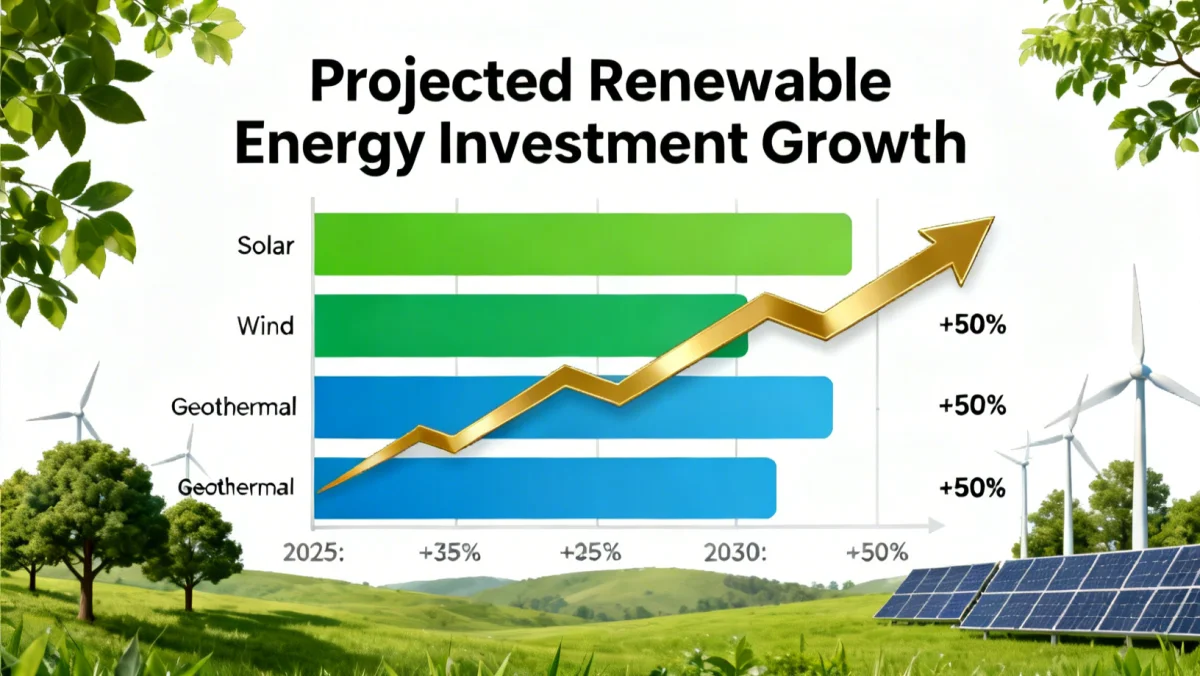
- Solar Energy: The ITC is particularly beneficial for solar projects, offering a percentage credit on the cost of installation. This has driven down the cost of solar power significantly.
- Wind Energy: The PTC, which provides a per-kilowatt-hour credit for electricity produced, has been a cornerstone of wind power development, making it one of the most cost-effective energy sources.
- Geothermal and Other Renewables: Other emerging renewable technologies also benefit, gaining the financial footing needed to scale and become more mainstream.
In essence, these extensions are a clear signal that the United States is doubling down on its renewable energy future, providing the necessary financial scaffolding for a sustainable energy transition. This long-term vision is expected to accelerate the deployment of clean energy technologies across the nation, from utility-scale solar farms to residential rooftop installations.
Projected Investment Surge and Economic Benefits
The estimated 30% boost in investment within the energy sector is a conservative projection, with many analysts suggesting even higher figures are possible given the right market conditions. This influx of capital will not just flow into building new power plants but will also permeate various segments of the economy, creating a ripple effect of economic growth and opportunity.
The investment surge is anticipated to manifest in several key areas. Manufacturing of renewable energy components, such as solar panels, wind turbine blades, and battery storage systems, is expected to see substantial growth. This localized manufacturing will reduce reliance on foreign supply chains, enhance energy independence, and create high-paying jobs in technology and engineering. Furthermore, the development of new transmission infrastructure to support a decentralized renewable grid will also attract significant investment.
Job Creation and Workforce Development
One of the most immediate and tangible benefits of increased investment is job creation. The renewable energy sector already employs hundreds of thousands of Americans, and this extension is set to significantly expand that number. These jobs range from highly skilled engineers and project managers to construction workers, technicians, and maintenance personnel.
- Construction Jobs: Building new solar farms, wind parks, and energy storage facilities.
- Manufacturing Jobs: Producing the components necessary for renewable energy systems.
- Operations and Maintenance: Long-term jobs ensuring the efficient functioning of renewable assets.
- Research and Development: Innovating new technologies and improving existing ones.
Beyond direct employment, there will be a strong demand for workforce training and education programs to equip individuals with the skills needed for these emerging green jobs. This holistic approach to economic development ensures that the benefits of the renewable energy transition are widely distributed, fostering a more resilient and equitable economy.
Driving Technological Innovation and Efficiency
The steady financial backing provided by extended tax credits acts as a powerful catalyst for technological innovation. With a clearer long-term outlook, companies are more willing to invest in research and development, pushing the boundaries of what is possible in renewable energy generation, storage, and distribution. This focus on innovation is critical for achieving higher efficiencies, reducing costs further, and developing solutions for grid integration challenges.
Advancements in solar panel efficiency, wind turbine design, and battery storage capacity are direct results of sustained investment and supportive policies. The extension through 2026 ensures that this momentum continues, allowing the US to remain a global leader in clean energy technology. Expect to see breakthroughs in areas like advanced geothermal systems, ocean energy, and perhaps even fusion power, as the industry continues to mature and attract top talent.
Key Areas of Innovation
Several technological fronts are expected to experience accelerated development due to the extended credits. These include:
- Energy Storage: Improved battery technologies, including longer-duration storage and alternative chemistries, are crucial for grid stability.
- Smart Grid Technologies: Advanced software and hardware for managing a complex grid with intermittent renewable sources.
- Carbon Capture, Utilization, and Storage (CCUS): While not strictly renewable, CCUS technologies are often paired with renewable efforts to achieve net-zero emissions.
- Hydrogen Production: Green hydrogen, produced using renewable electricity, is gaining traction as a versatile energy carrier.
This push for innovation is not just about making existing technologies better; it’s about discovering entirely new ways to generate, store, and consume energy, ultimately leading to a more robust, sustainable, and cost-effective energy system for the nation.
Impact on Energy Independence and Security
A significant benefit of increased investment in domestic renewable energy is the bolster it provides to national energy independence and security. By reducing reliance on imported fossil fuels, the United States strengthens its geopolitical position and insulates its economy from the volatility of global energy markets. The extension of these tax credits directly contributes to this strategic goal, fostering a more self-sufficient energy future.
Diversifying the energy mix with a greater proportion of domestically sourced renewables minimizes exposure to international supply disruptions, price spikes, and political instability in energy-producing regions. Furthermore, the distributed nature of many renewable energy systems, particularly solar and wind, enhances grid resilience by reducing the impact of centralized power plant failures or attacks. This decentralization makes the overall energy infrastructure more robust and less vulnerable.
Strengthening the Grid
The integration of more renewable energy sources often necessitates upgrades and modernization of the existing electrical grid. This includes:
- Smart Grid Technologies: Enabling better management of intermittent renewable energy flows.
- Microgrids: Localized energy grids that can operate independently, increasing resilience during outages.
- Advanced Transmission Lines: Capable of efficiently transporting renewable power from remote generation sites to demand centers.
Ultimately, a robust and diversified energy system, heavily reliant on domestic renewable sources, translates into greater national security, economic stability, and a more predictable energy future for all Americans. The extended tax credits are a cornerstone of achieving this vital objective.
Challenges and Opportunities Ahead
While the extension of renewable energy tax credits is overwhelmingly positive, the path forward is not without its challenges. Grid modernization, supply chain constraints, and the need for a skilled workforce all present hurdles that must be addressed proactively. However, these challenges also present significant opportunities for innovation and economic growth, particularly in developing new solutions and industries.
One of the primary challenges lies in accelerating the permitting and interconnection processes for new renewable energy projects. Bureaucratic delays can significantly slow down deployment, even with strong financial incentives. Addressing these bottlenecks through streamlined regulations and increased staffing at relevant agencies will be crucial. Another area of focus will be ensuring equitable access to the benefits of renewable energy, particularly for underserved communities, through targeted programs and policies.
Overcoming Obstacles
Key areas requiring strategic attention include:
- Permitting Reform: Streamlining the approval process for renewable energy projects.
- Grid Modernization: Investing in infrastructure to handle increased renewable penetration.
- Supply Chain Resilience: Strengthening domestic manufacturing and reducing reliance on single-source suppliers.
- Workforce Development: Expanding training programs to meet the growing demand for green jobs.
Despite these challenges, the overwhelming consensus is that the opportunities presented by the extended tax credits far outweigh the obstacles. The sustained commitment to renewable energy will unlock new markets, foster technological breakthroughs, and solidify the United States’ position as a leader in the global clean energy transition, creating a more sustainable and prosperous future.
Long-Term Environmental and Societal Benefits
Beyond the immediate economic impacts, the extension of renewable energy tax credits through 2026 will yield profound long-term environmental and societal benefits. Accelerating the transition to clean energy is paramount for mitigating climate change, reducing air and water pollution, and protecting natural ecosystems. This sustained investment ensures a healthier planet for future generations and improves public health outcomes across the nation.
By significantly decreasing reliance on fossil fuels, the US will see a marked reduction in greenhouse gas emissions, directly contributing to global climate goals. The environmental benefits extend beyond climate, as reduced air pollution from power plants leads to fewer respiratory illnesses and improved public health. Furthermore, less reliance on resource-intensive extraction methods for fossil fuels helps preserve biodiversity and natural landscapes, fostering a more sustainable relationship with the environment.
A Healthier Future
The shift towards renewable energy contributes to:
- Reduced Carbon Emissions: Directly combats climate change and its associated impacts.
- Improved Air Quality: Less pollution from power plants leads to better respiratory health.
- Cleaner Water: Reduced need for water in energy production compared to traditional methods.
- Conservation of Natural Resources: Less reliance on finite fossil fuel reserves.
These long-term benefits underscore the strategic importance of sustained support for renewable energy. The extended tax credits are not just an economic policy; they are an investment in the health, well-being, and environmental stewardship of the nation, securing a more sustainable and resilient future for all.
| Key Aspect | Brief Description |
|---|---|
| Tax Credit Extension | Major renewable energy tax credits (ITC, PTC) extended through 2026, providing long-term market stability. |
| Investment Boost | Projected 30% increase in energy sector investment, driving growth and job creation. |
| Technological Innovation | Encourages R&D in energy storage, smart grids, and new renewable technologies. |
| Energy Security | Reduces reliance on foreign fossil fuels, enhancing national energy independence and grid resilience. |
Frequently Asked Questions About Renewable Energy Tax Credits
The main credits extended are the Investment Tax Credit (ITC) and the Production Tax Credit (PTC). The ITC offers a percentage credit on installation costs, primarily for solar, while the PTC provides a per-kilowatt-hour credit for electricity produced by facilities like wind farms.
The extensions are projected to boost investment by an estimated 30%. This provides long-term certainty for developers and investors, making renewable energy projects more financially attractive and spurring capital deployment across the sector.
Increased investment will lead to significant job creation in construction, manufacturing of renewable components, operations and maintenance, and research and development. These jobs span various skill levels and contribute to a robust green economy.
By encouraging domestic renewable energy production, the credits reduce the nation’s reliance on imported fossil fuels. This enhances energy security, insulates the economy from global market volatility, and strengthens the US geopolitical position.
The long-term benefits include significant reductions in greenhouse gas emissions, improved air and water quality, and the preservation of natural resources. This sustained commitment to clean energy supports climate change mitigation and public health.
Conclusion
The extension of major renewable energy tax credits through 2026 marks a pivotal moment for the United States energy sector. This strategic legislative action is poised to drive an estimated 30% increase in investment, fostering unprecedented growth, innovation, and job creation. Beyond the immediate economic stimulus, these credits underpin the nation’s journey towards greater energy independence, enhanced security, and a healthier environment for all. While challenges remain, the clear policy signal provides the stability needed for sustained progress, ensuring that the US remains at the forefront of the global clean energy transition and secures a more sustainable future.
Autor