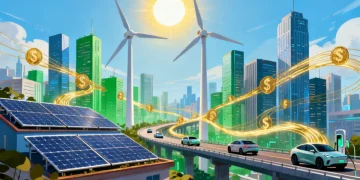
EPA’s 2026 Emissions Standards: Impact on 3 US Industries
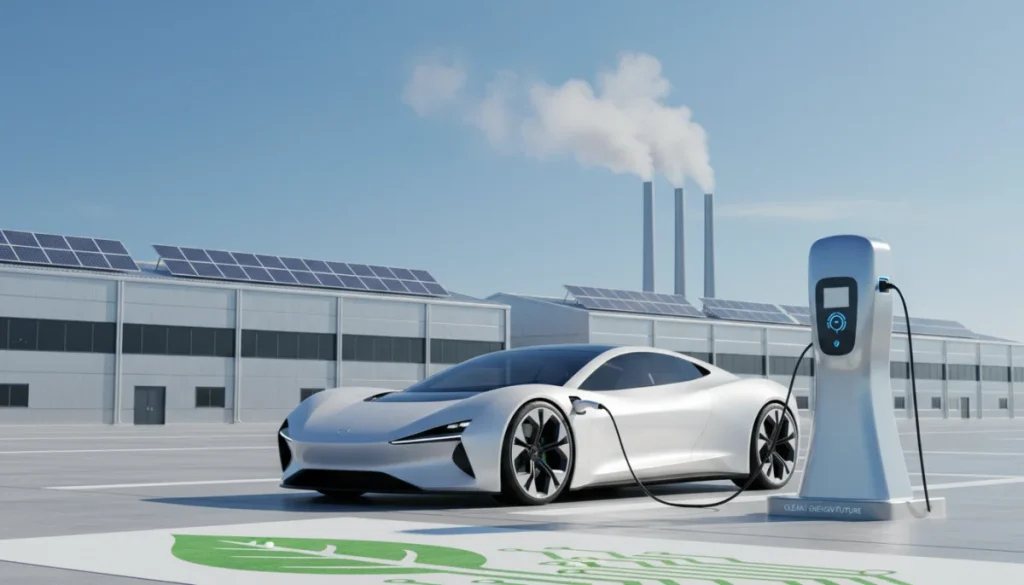
The Environmental Protection Agency’s 2026 emissions standards are poised to significantly reshape operations and investments within the automotive, energy, and manufacturing industries nationally.
The impending EPA 2026 emissions standards represent a pivotal moment for several key sectors across the United States. This regulatory shift is not merely an update but a fundamental reorientation towards sustainability and reduced environmental impact. Understanding these new mandates is crucial for businesses, policymakers, and consumers alike.
understanding the new EPA emissions framework for 2026
The Environmental Protection Agency (EPA) has unveiled a comprehensive set of emissions standards slated for full implementation by 2026. These regulations are designed to drastically cut greenhouse gas emissions and other harmful pollutants from various sources, aiming to combat climate change and improve public health. The framework builds upon existing policies, pushing for more aggressive targets and accelerating the adoption of cleaner technologies across major industries.
This new framework introduces stricter limits on tailpipe emissions for vehicles, mandates for cleaner energy production, and enhanced controls on industrial processes. The EPA’s approach is multi-faceted, recognizing that a holistic strategy is required to achieve substantial environmental improvements. It emphasizes innovation and technological advancement as key drivers for compliance.
key components of the 2026 regulations
- Stricter Vehicle Emission Limits: New standards for light-duty and heavy-duty vehicles will necessitate significant advancements in powertrain technologies, promoting electric and hybrid vehicle adoption.
- Renewable Energy Integration: Incentives and mandates to increase the proportion of renewable energy sources in the national grid, reducing reliance on fossil fuels.
- Industrial Process Modernization: Requirements for manufacturing facilities to adopt best available control technologies to minimize air pollutants and improve energy efficiency.
The overarching goal of these regulations is to foster a sustainable economy while ensuring that industries remain competitive and resilient. The EPA anticipates that these standards will drive significant investments in research and development, creating new job opportunities in green sectors. The shift is expected to have far-reaching economic and environmental benefits, positioning the U.S. as a leader in global climate action.
automotive industry: navigating the electric future
The automotive industry stands at the forefront of the impact of the 2026 EPA emissions standards. These regulations are set to accelerate the transition from internal combustion engine (ICE) vehicles to electric vehicles (EVs) and other low-emission alternatives. Manufacturers are facing immense pressure to innovate, retool production lines, and invest heavily in EV technology and infrastructure.
The new standards will likely see a significant increase in the market share of EVs, not just for passenger cars but also for commercial fleets. This shift demands a robust supply chain for batteries, charging infrastructure development, and a skilled workforce capable of designing, manufacturing, and maintaining these advanced vehicles. Companies that adapt quickly will gain a competitive edge, while those that lag may face severe penalties and market share erosion.
challenges and opportunities for automakers
- Research and Development Costs: Substantial investments are required for battery technology, autonomous driving systems, and new vehicle platforms.
- Supply Chain Resilience: Ensuring a stable and ethical supply of critical minerals for EV batteries, such as lithium and cobalt, is paramount.
- Consumer Adoption: Overcoming range anxiety, high upfront costs, and limited charging infrastructure to encourage widespread EV adoption.
Despite the challenges, the regulatory push also presents unique opportunities. Automakers can differentiate themselves through sustainable practices, develop innovative mobility solutions, and tap into new markets. The focus on emissions reduction could also spur advancements in hydrogen fuel cell technology and other alternative fuels, diversifying the industry’s energy portfolio. The coming years will undoubtedly be transformative for how vehicles are designed, produced, and consumed in the United States.
energy sector: accelerating the clean energy transition
The energy sector, particularly electricity generation and distribution, will experience profound changes due to the EPA’s 2026 emissions standards. The regulations are designed to significantly reduce carbon emissions from power plants, pushing for a swifter transition away from fossil fuels towards renewable energy sources. This means a concentrated effort to retire older, less efficient coal and gas plants and invest in solar, wind, hydropower, and nuclear energy.
Utilities and energy producers will need to modernize their infrastructure, enhance grid resiliency, and integrate a higher proportion of intermittent renewable energy sources. This requires advanced energy storage solutions, smart grid technologies, and significant capital expenditure. The move towards cleaner energy is not just an environmental imperative but also an economic opportunity for innovation and growth.
strategic shifts for energy providers
- Increased Renewable Capacity: A rapid expansion of solar, wind, and other renewable energy projects to meet demand and compliance targets.
- Grid Modernization: Investment in smart grid technologies, energy storage systems, and transmission upgrades to handle diversified energy inputs.
- Carbon Capture Technologies: Development and deployment of carbon capture, utilization, and storage (CCUS) for remaining fossil fuel-based power generation.
The regulatory environment will likely foster competitive markets for clean energy technologies and services. Companies that can offer cost-effective and scalable renewable solutions will thrive. Furthermore, the emphasis on energy efficiency and demand-side management will empower consumers and businesses to play a more active role in reducing their carbon footprint. The energy landscape of 2026 will be distinctly greener and more decentralized.
manufacturing industry: adapting to sustainable production
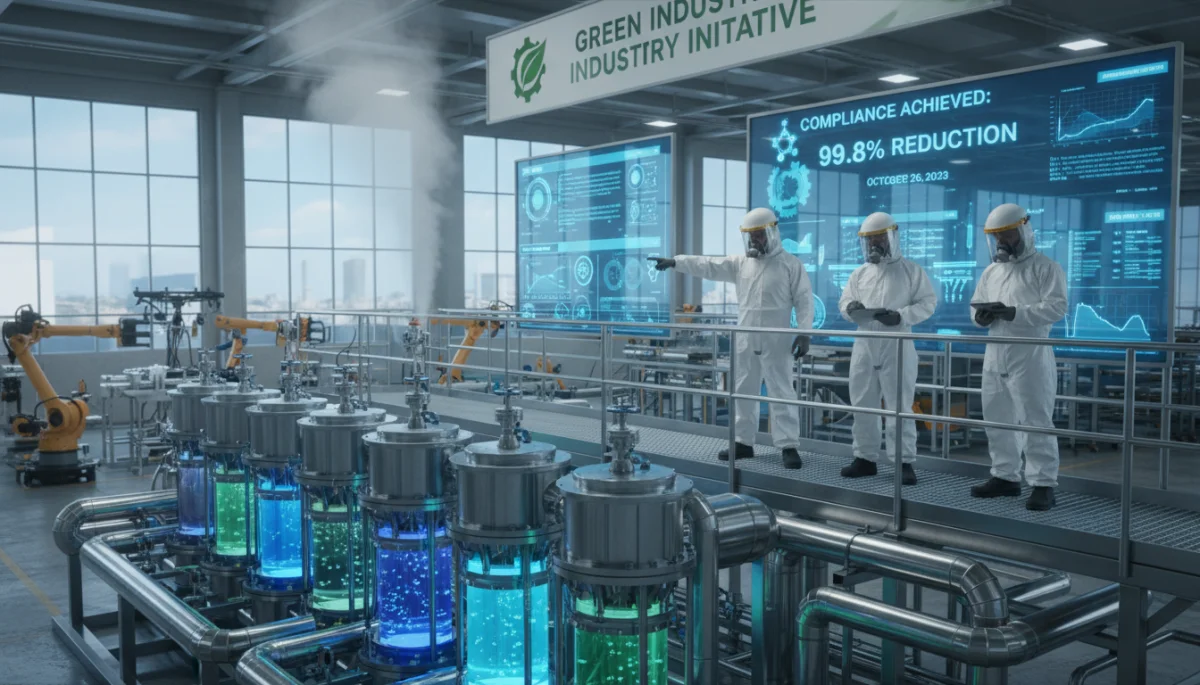
The manufacturing industry, a cornerstone of the U.S. economy, faces a complex set of adjustments under the new EPA emissions standards for 2026. These regulations will impact various sub-sectors, from heavy industry like steel and chemicals to consumer goods production. The core challenge lies in reducing process emissions, improving energy efficiency, and adopting more sustainable materials and production methods without compromising competitiveness.
Manufacturers will need to invest in new equipment, upgrade existing facilities with advanced emissions control technologies, and rethink their entire supply chains. The drive for sustainability will also encourage circular economy principles, promoting waste reduction, recycling, and the use of recycled content. This transformation requires a significant upfront investment, but it promises long-term benefits in terms of operational efficiency, reduced regulatory risk, and enhanced brand reputation.
innovations and compliance for manufacturers
- Process Optimization: Implementing lean manufacturing principles and advanced automation to reduce energy consumption and waste generation.
- Emissions Control Technologies: Adopting state-of-the-art scrubbers, filters, and catalytic converters to capture and neutralize pollutants.
- Sustainable Material Sourcing: Shifting towards renewable, recycled, or low-impact raw materials and minimizing hazardous substance use.
The EPA’s standards will likely spur innovation in green manufacturing processes and materials science. Companies that can develop and deploy these solutions effectively will gain a significant market advantage. Moreover, the regulations may encourage greater collaboration between industries and research institutions to develop next-generation sustainable technologies. The manufacturing sector’s journey towards 2026 is one of re-invention, where environmental responsibility becomes synonymous with economic viability.
economic implications and national impact
The EPA’s 2026 emissions standards are not just an environmental mandate; they are a significant economic driver with national implications. While some industries may initially face compliance costs, the long-term economic benefits are projected to be substantial. These include job creation in green technologies, reduced healthcare costs due to improved air quality, and enhanced energy security through diversification.
The regulations are expected to stimulate investment in research and development, fostering innovation across various sectors. This will lead to the creation of new products, services, and business models centered around sustainability. Furthermore, by aligning with global climate goals, the U.S. can strengthen its position in international markets and attract foreign investment in green industries.
However, careful policy implementation and support mechanisms will be crucial to mitigate potential negative impacts on specific regions or industries. Government incentives, tax credits, and training programs can help businesses and workers adapt to the new economic landscape. The overall aim is to achieve a just transition, ensuring that the benefits of a cleaner economy are shared broadly.
The economic shift spurred by these standards will redefine competitiveness. Companies that proactively invest in sustainability will likely see improved financial performance, attracting environmentally conscious consumers and investors. The national impact will be a more resilient, innovative, and environmentally responsible economy.
navigating regulatory challenges and seeking compliance solutions
For businesses across the automotive, energy, and manufacturing industries, navigating the complexities of the EPA’s 2026 emissions standards will require strategic planning and proactive engagement. Understanding the specific requirements, timelines, and potential penalties is the first step towards achieving compliance. Companies will need to conduct thorough assessments of their current operations and identify areas requiring significant changes.
Developing a comprehensive compliance strategy involves more than just meeting minimum requirements; it often entails embracing sustainable practices as a core business principle. This can include investing in new technologies, retraining staff, optimizing processes, and collaborating with industry peers and regulatory bodies. The goal is not just to avoid penalties but to leverage the regulatory shift as an opportunity for operational improvement and market differentiation.
strategies for effective compliance
- Early Adoption of Technology: Investing in cutting-edge emissions control and clean energy technologies ahead of deadlines to gain a competitive advantage.
- Stakeholder Engagement: Collaborating with regulatory agencies, industry associations, and environmental groups to stay informed and influence policy.
- Workforce Training and Development: Preparing the workforce for new roles and skill sets required by green technologies and sustainable practices.
Many businesses will also seek external expertise, such as environmental consultants and legal advisors, to ensure full compliance and identify potential financial incentives or grants. The regulatory landscape is dynamic, and continuous monitoring of updates and interpretations from the EPA will be essential. Ultimately, successful navigation of these standards will depend on a company’s ability to integrate environmental responsibility into its core strategic vision, turning a regulatory challenge into a pathway for sustainable growth and innovation.
future outlook: long-term sustainability and innovation
Looking beyond 2026, the EPA’s emissions standards are a clear signal of the nation’s long-term commitment to sustainability and climate action. These regulations are not an endpoint but rather a significant milestone in a continuous journey towards a cleaner, greener economy. The automotive, energy, and manufacturing sectors will continue to be at the forefront of this evolution, driven by both regulatory pressures and growing consumer demand for environmentally responsible products and services.
The future outlook points towards an era of accelerated innovation, where industries compete not only on cost and quality but also on their environmental performance. We can expect to see further advancements in electric vehicle technology, breakthroughs in renewable energy storage, and the widespread adoption of circular economy principles in manufacturing. This ongoing transformation will create new markets, foster economic resilience, and improve public health and environmental quality for generations to come.
Policy frameworks will likely evolve to support these transitions, providing incentives for sustainable investments and fostering a level playing field for businesses committed to environmental stewardship. Education and public awareness campaigns will also play a crucial role in shaping consumer behavior and encouraging the adoption of sustainable choices. The long-term vision is a United States powered by clean energy, producing goods with minimal environmental impact, and leading the world in sustainable innovation.
The journey to a sustainable future is collaborative, requiring concerted efforts from government, industry, academia, and the public. The 2026 EPA emissions standards are a powerful catalyst, setting the stage for a transformative decade where environmental responsibility and economic prosperity go hand in hand, shaping a more sustainable and prosperous future for all.
| Key Aspect | Brief Description |
|---|---|
| Automotive Impact | Accelerated shift to electric vehicles (EVs) and low-emission technologies, requiring significant R&D and infrastructure investment. |
| Energy Sector Shift | Increased reliance on renewable energy, modernization of grids, and reduction of fossil fuel power plant emissions. |
| Manufacturing Adaptation | Adoption of sustainable production methods, emissions control technologies, and circular economy principles. |
| Economic Implications | Job creation in green tech, reduced healthcare costs, and enhanced energy security, driving sustainable economic growth. |
frequently asked questions about EPA 2026 emissions standards
The main goals are to significantly reduce greenhouse gas emissions and other harmful air pollutants, combat climate change, and improve public health. These standards aim to accelerate the transition to cleaner technologies and promote sustainable practices across key U.S. industries, fostering a greener economy.
The automotive industry will face stricter tailpipe emission limits, necessitating an accelerated shift towards electric vehicles (EVs) and other low-emission alternatives. Manufacturers must invest heavily in R&D for EV technology, retool production lines, and adapt supply chains to meet the growing demand for sustainable transportation solutions.
The energy sector will see a greater push towards renewable energy sources like solar and wind, reducing reliance on fossil fuels. This requires modernizing grid infrastructure, integrating advanced energy storage, and developing carbon capture technologies for any remaining fossil fuel-based power generation to lower overall emissions.
Manufacturing industries will need to reduce process emissions, enhance energy efficiency, and adopt sustainable production methods. This involves investing in new equipment, upgrading facilities with advanced emissions control technologies, and embracing circular economy principles to minimize waste and use recycled materials.
Economically, the regulations are expected to drive job creation in green technologies, reduce healthcare costs from improved air quality, and enhance energy security. While initial compliance costs exist, the long-term benefits include increased innovation, stronger global market positioning, and a more resilient, environmentally responsible economy.
conclusion
The EPA’s 2026 emissions standards represent a landmark regulatory shift with far-reaching implications for the automotive, energy, and manufacturing sectors across the United States. These regulations underscore a national commitment to environmental stewardship and sustainable economic growth. While posing significant adaptation challenges, they simultaneously unlock unprecedented opportunities for innovation, technological advancement, and job creation in green industries. The proactive engagement and strategic investments by businesses in these sectors will be crucial in shaping a cleaner, more resilient, and prosperous future for the nation, demonstrating that environmental responsibility and economic vitality can indeed go hand in hand.
Autor